Institute of Imagination Research
Research · ELM Science Fair, 29 August 2026

Biomimicry.

Fourteen examples of nature inspiring engineering, with print-resolution photographs and a checkable sentence a facilitator can say out loud. Sourced for three stations: Wind Tunnel, Moon Buggies, Nature's Engineers.

Print pack · PDF, A4, 29 pages

Every photograph laid out for the tables, each with the credit line the photographer asked for, and a page of copy written for primary children beside it. Futura Round, one iOi colour per station.

Download →
14
Examples
33
Photographs
cleared for print and public display
3
Stations
4
Claims corrected
2816 px
Smallest photograph
long edge, verified file by file

On this page

  1. The print pack
  2. Which station gets what
  3. Wind Tunnel
  4. Moon Buggies
  5. Nature's Engineers
  6. Claims to correct
  7. Credits, as they must be printed
  8. Questions for you

Which station gets what

StationWhat a child doesWhat the examples speak toExamples
Wind TunnelMakes a lightweight flyer and puts it in the airflowAerodynamics, flight, streamlining, drag6
Moon BuggiesBuilds a LEGO vehicle and runs it down a rampRolling, speed, streamlining, grip4
Nature's EngineersFolds and cuts flat paper into 3D buildingsStructures, geometry, folding, strength from shape4
Print from images/, not from images/preview/. The files on this page are 1100 px copies so the page loads. The print files sit alongside them at 2816 px and above.

Wind Tunnel

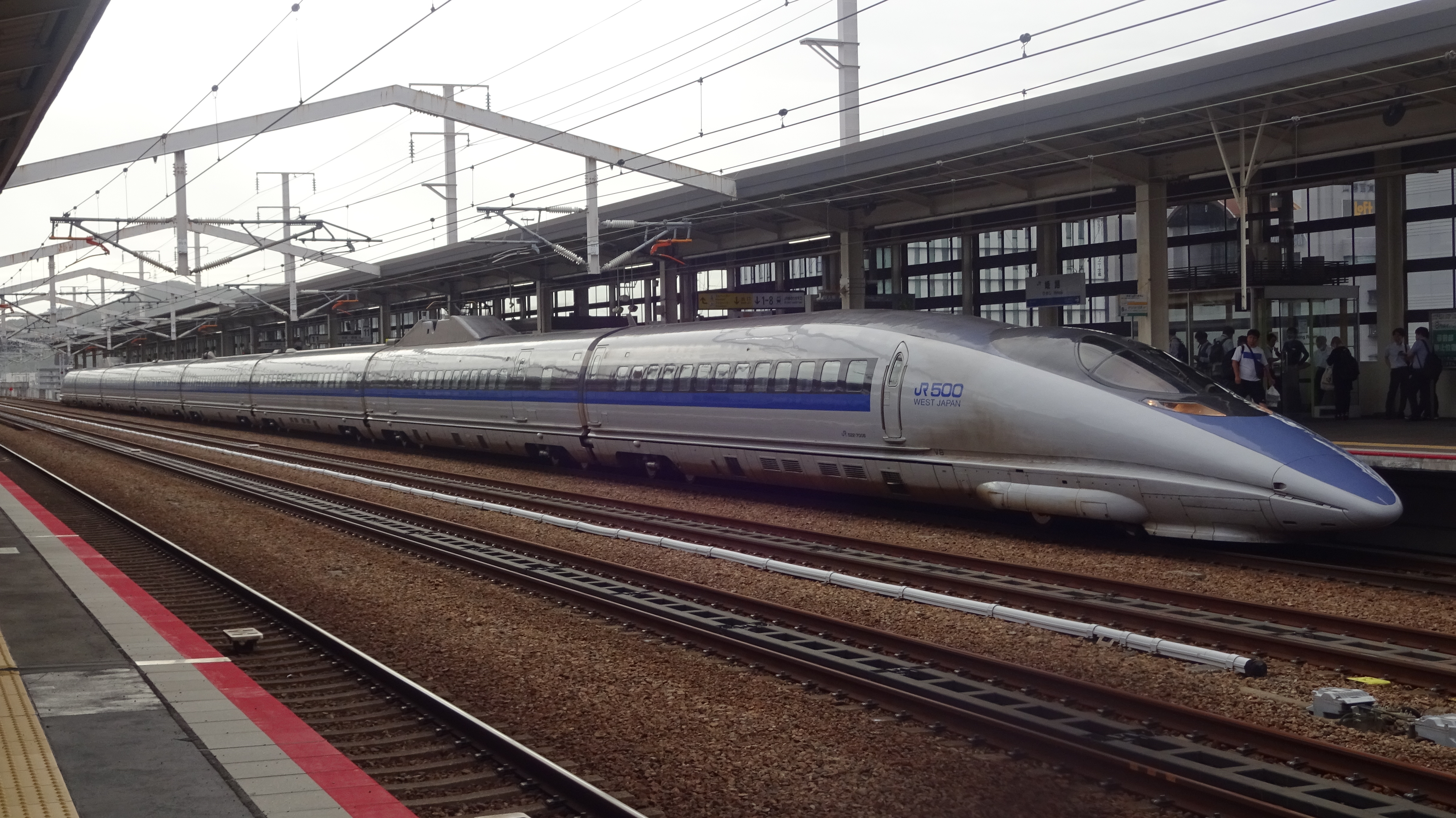
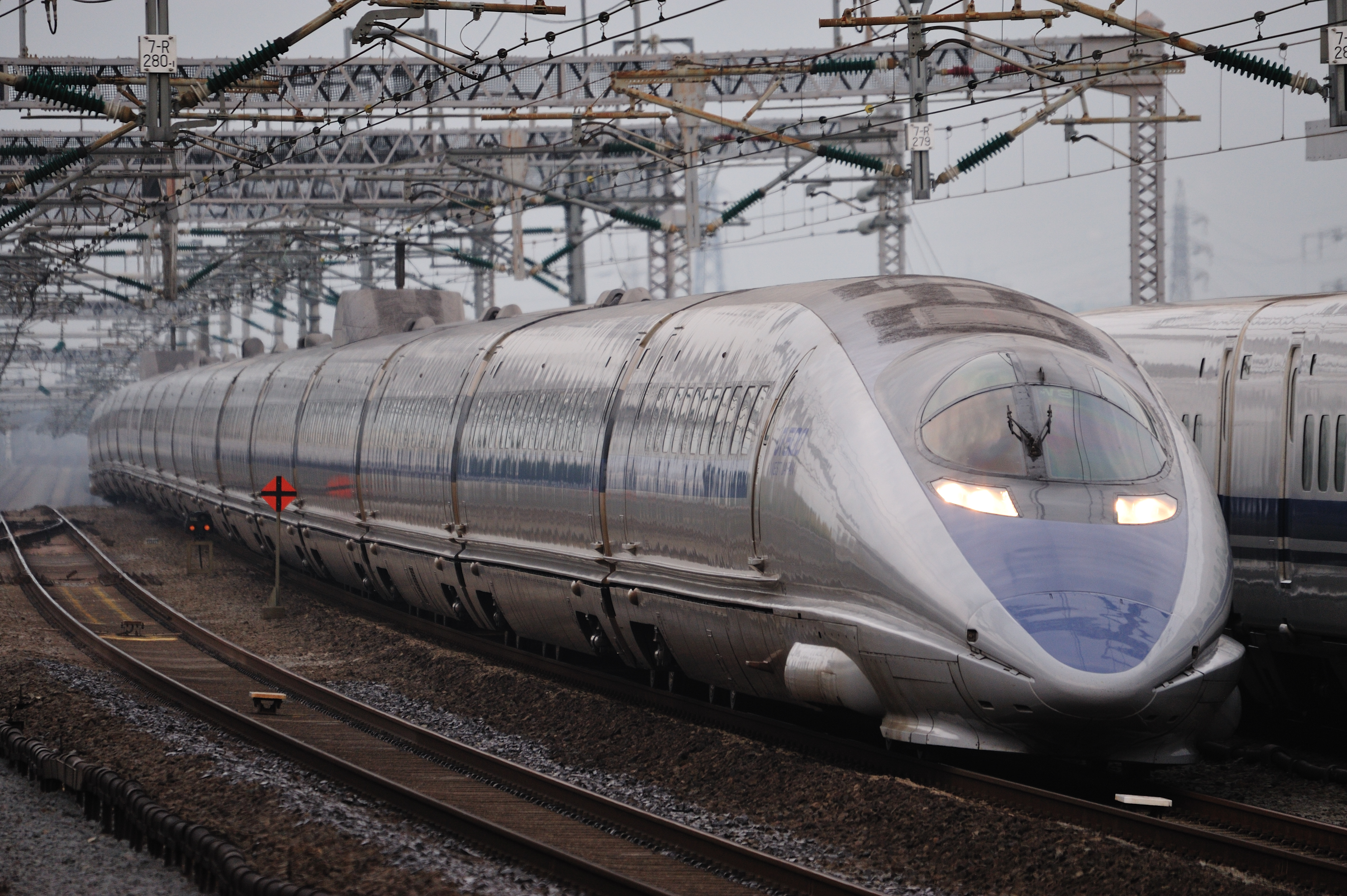
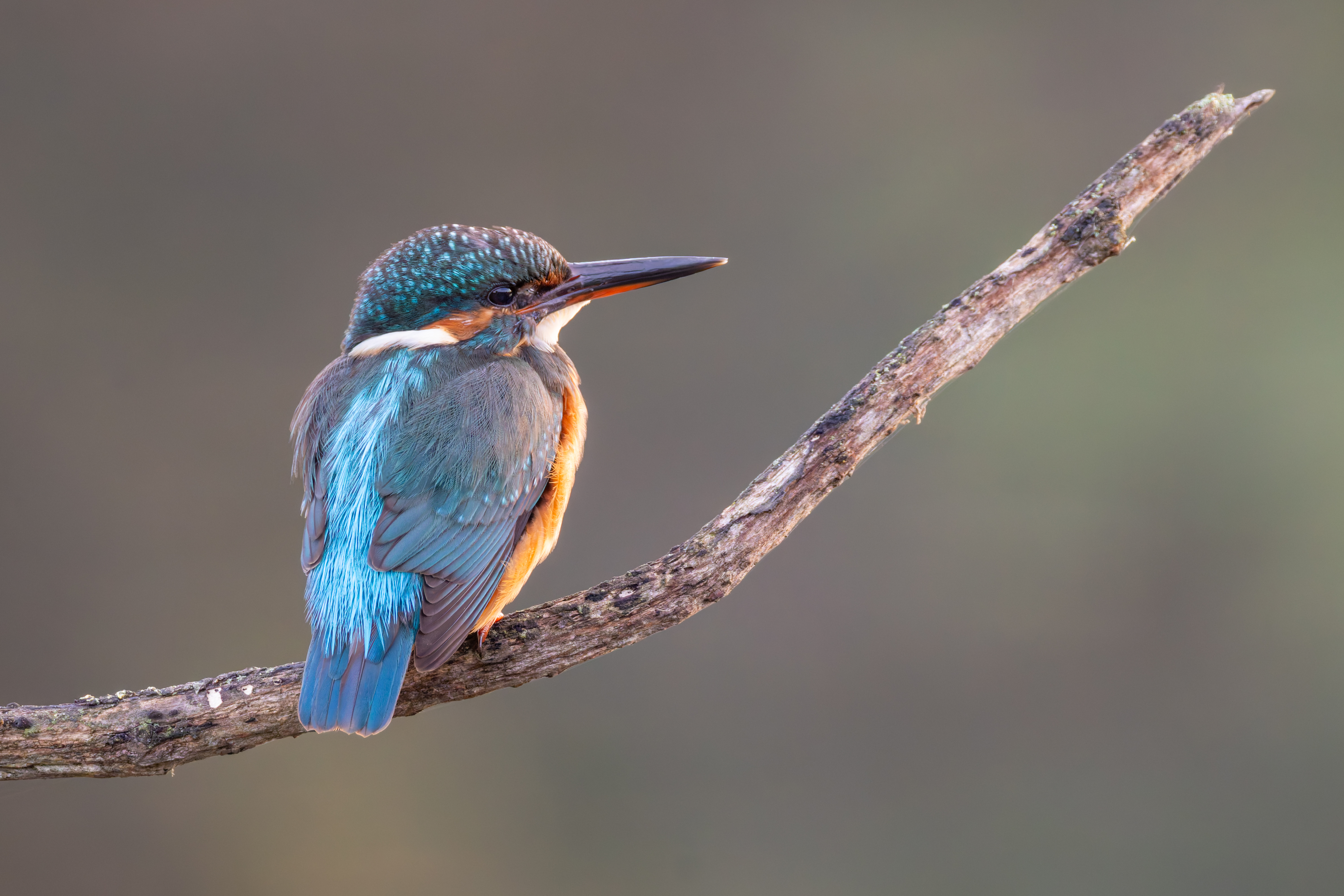
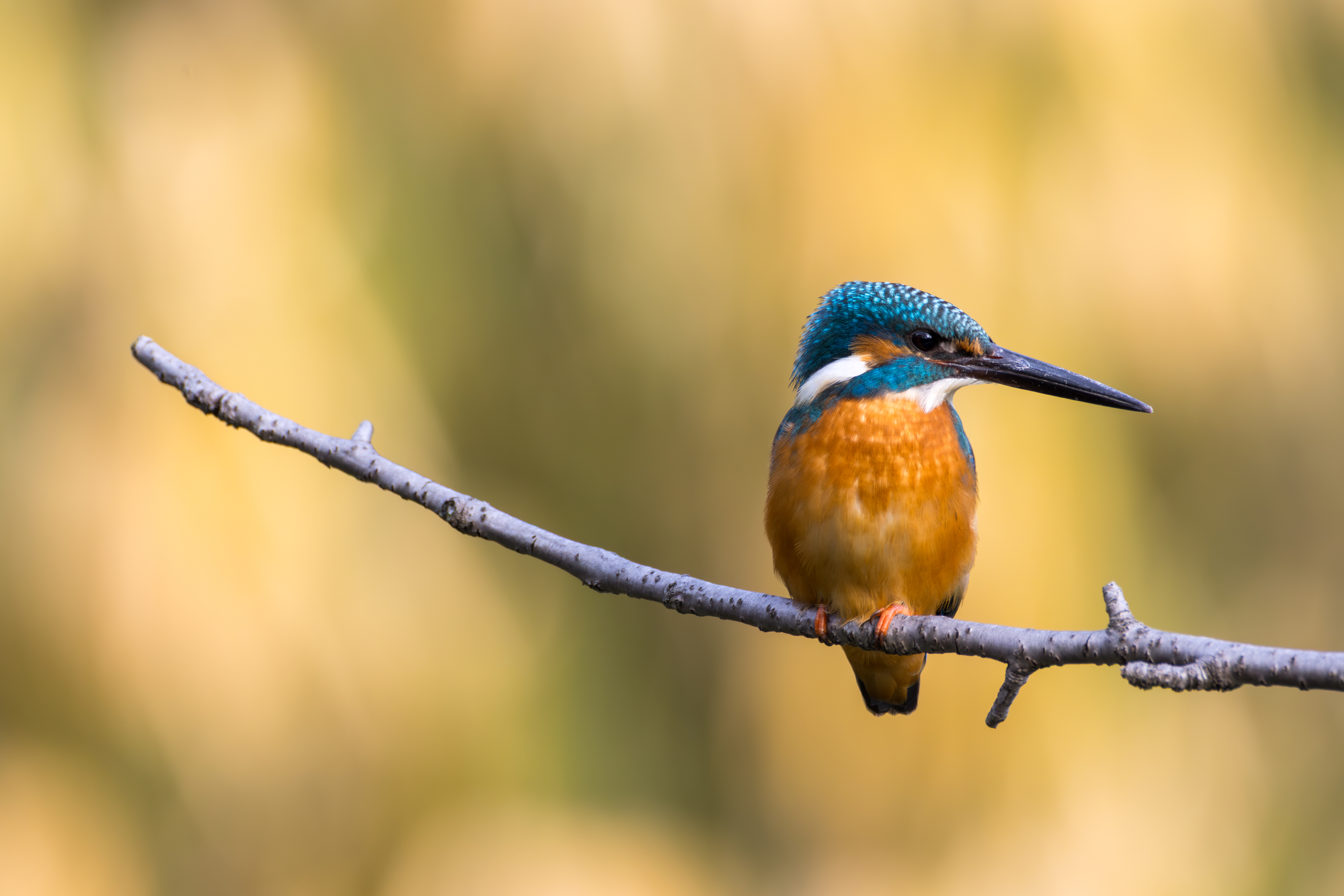
Kingfisher → the nose of the 500 Series Shinkansen

The bird enters water almost without a splash. Eiji Nakatsu at JR West was solving the bang a train makes leaving a tunnel, not chasing speed.

A 500 Series nose is about 15 metres long. It is that shape to stop a bang that used to be heard 400 metres from the tunnel mouth.

Anchor example · 4 photographs · 2 in the print pack

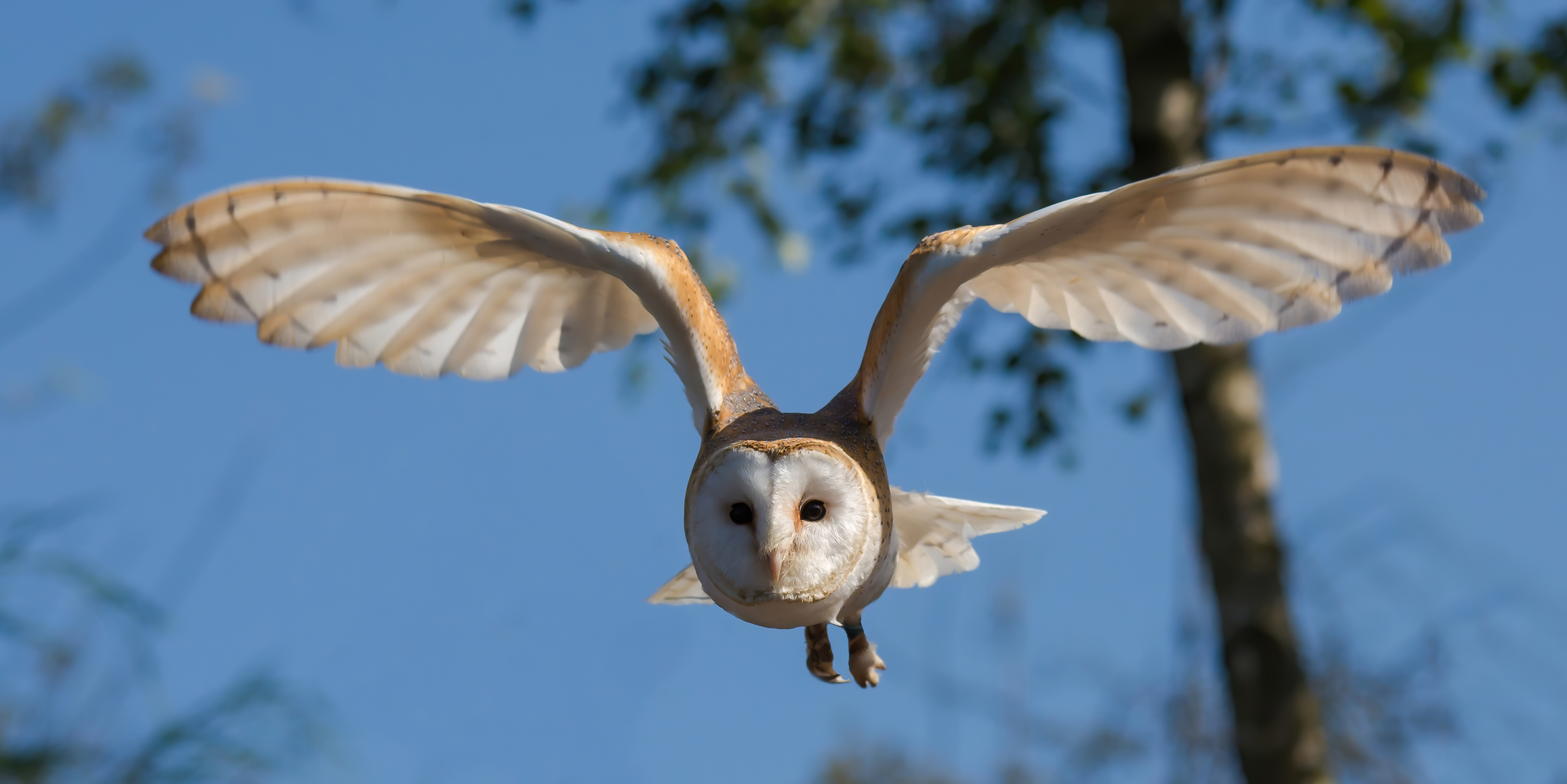
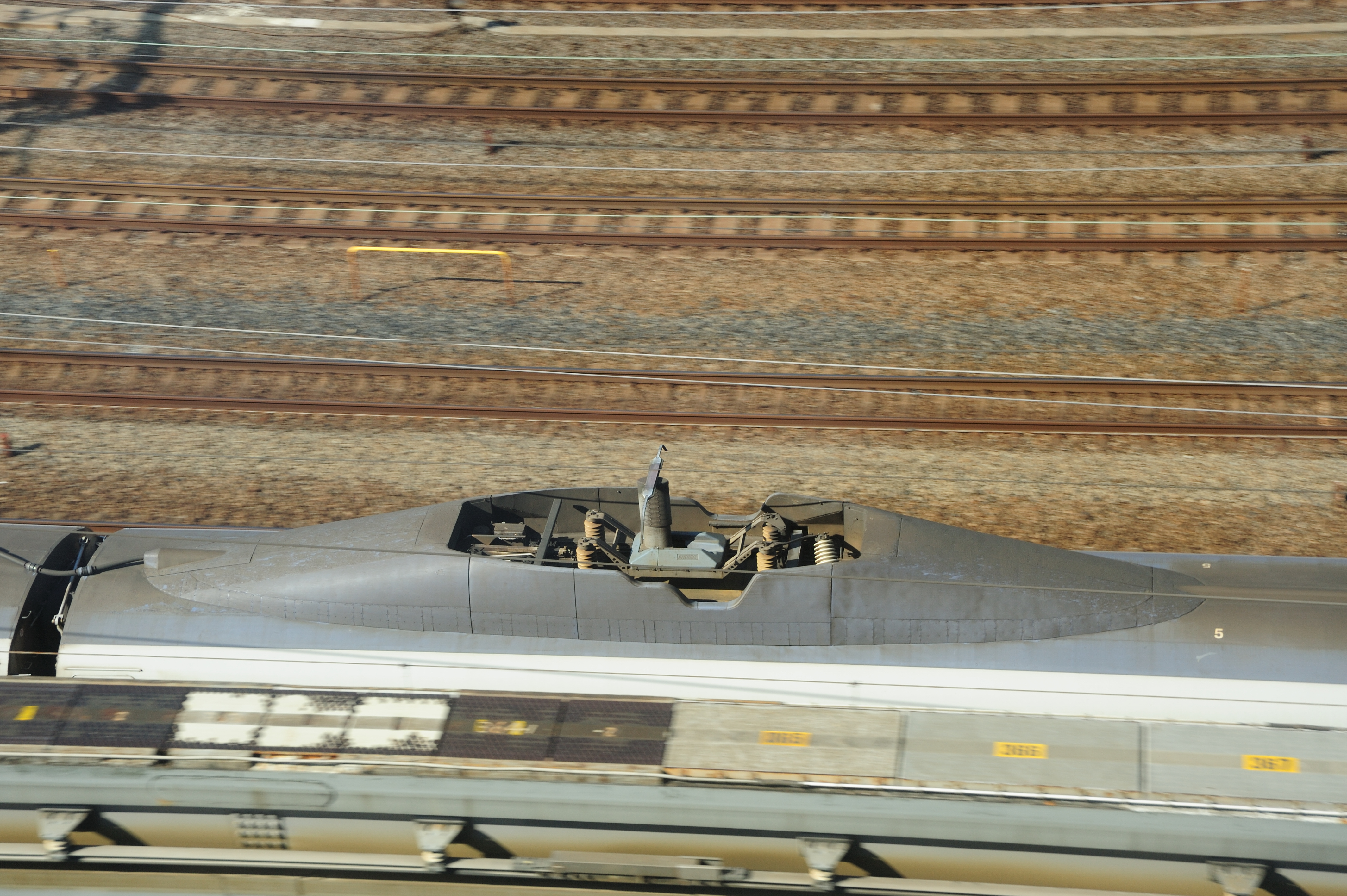
Owl feathers → quiet pantographs and quiet blades

A comb of serrations along the leading edge of an owl's primary feathers chops large noise-making vortices into small ones. Nakatsu put serrations on the Shinkansen pantograph; serrated trailing edges are now standard on wind turbine blades.

2 photographs

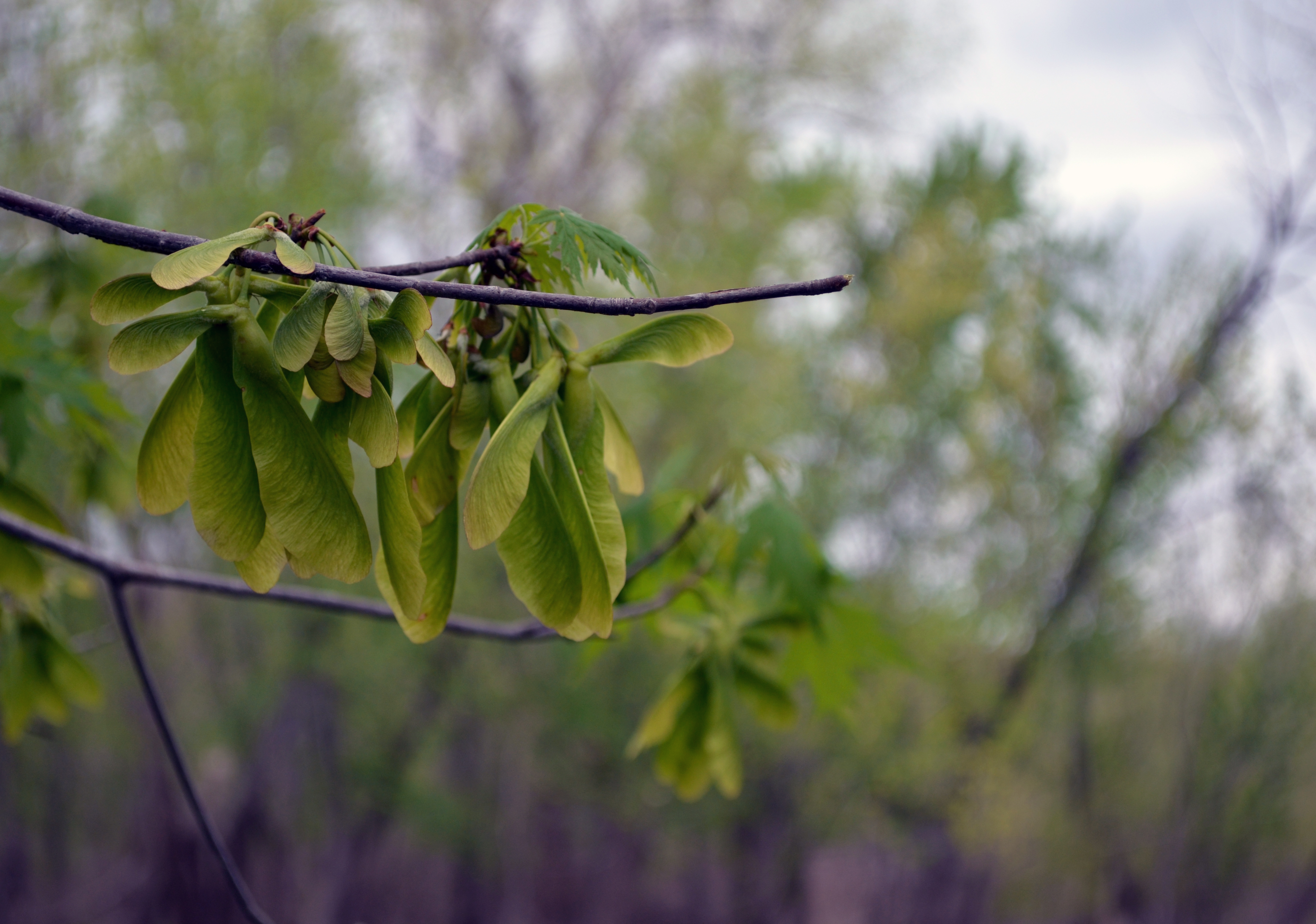
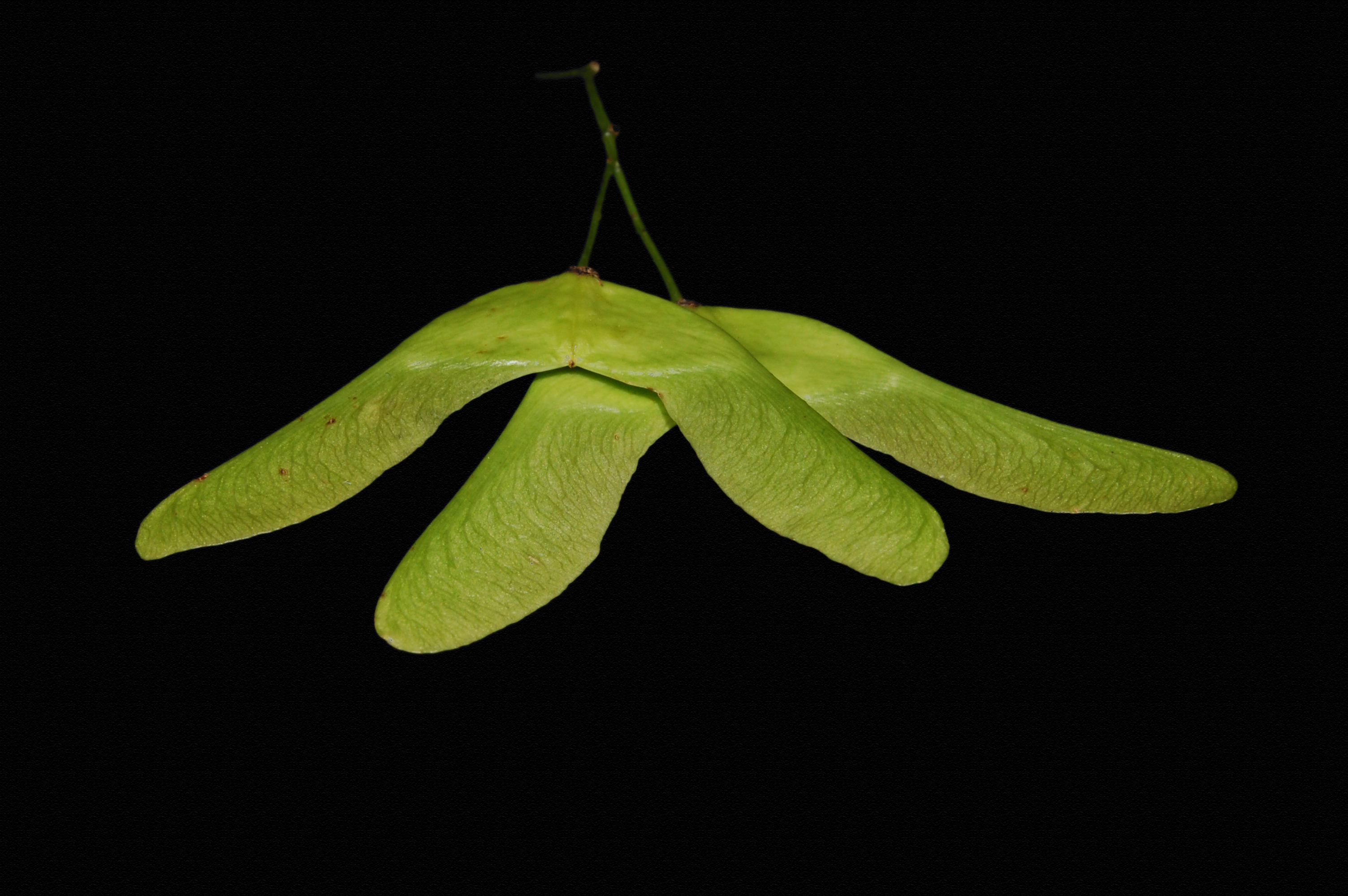
Maple seed → autorotation

A samara does not flutter, it spins, and the spin builds a stable tube of swirling air on top of the wing that holds it up. A helicopter uses the same trick to land with the engine off.

The paper helicopter already on the material list is a samara.

2 photographs

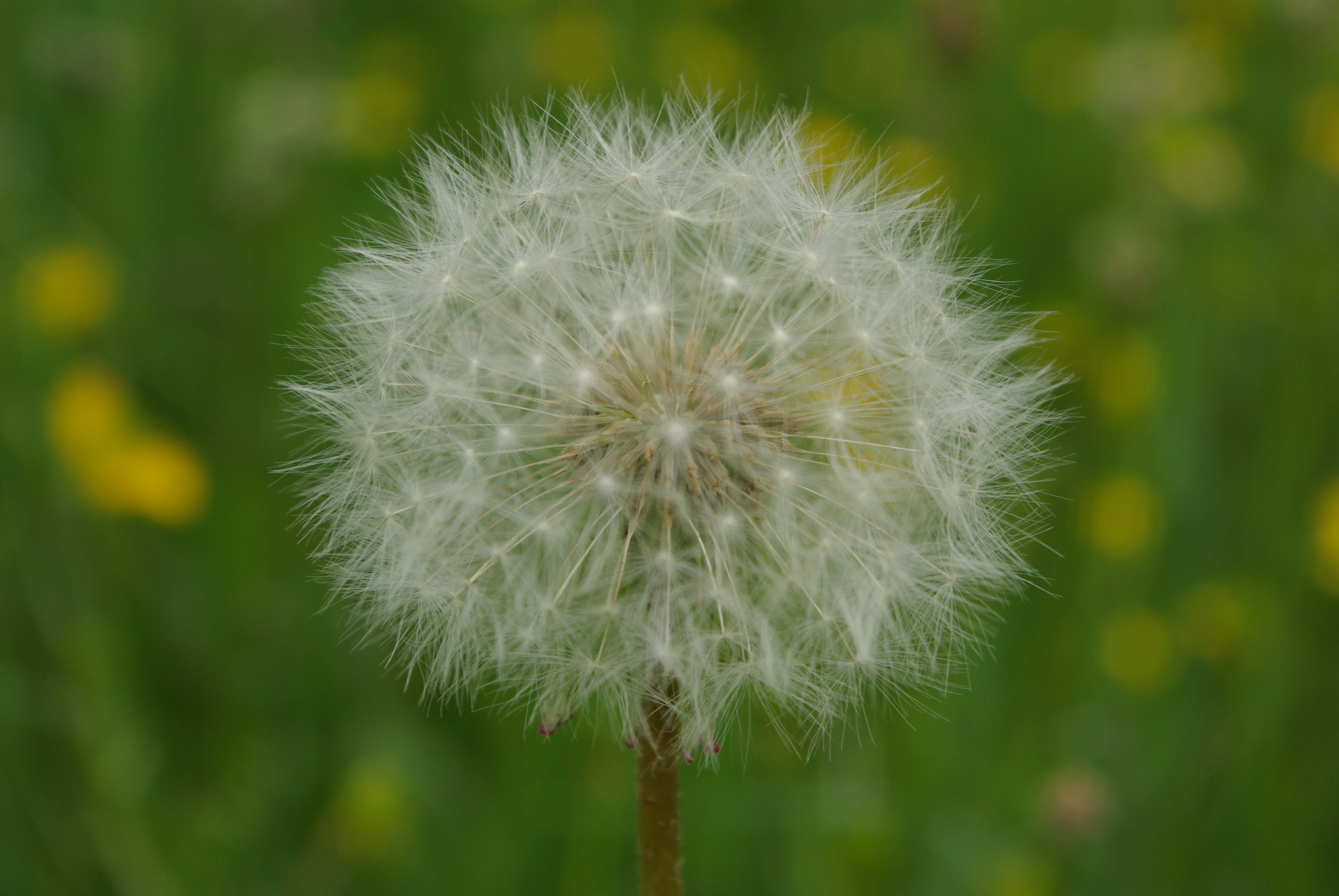
Dandelion seed → drag from holes

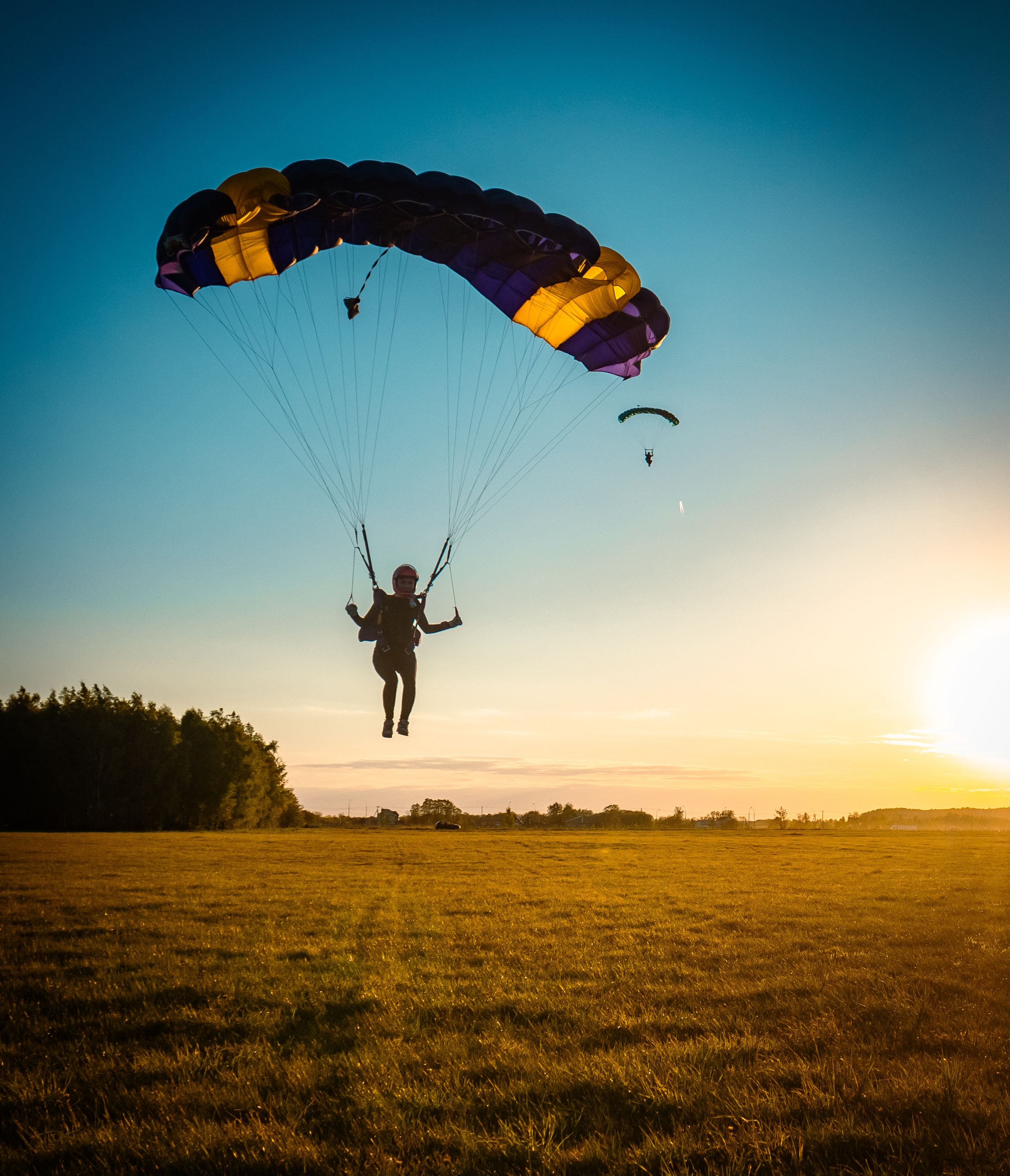
The parachute is about 90% empty space. Air passing through the bristles holds a detached ring of swirling air above the seed, and it makes four times the drag of a solid parachute the same size.

Nature, 2018 · 2 photographs

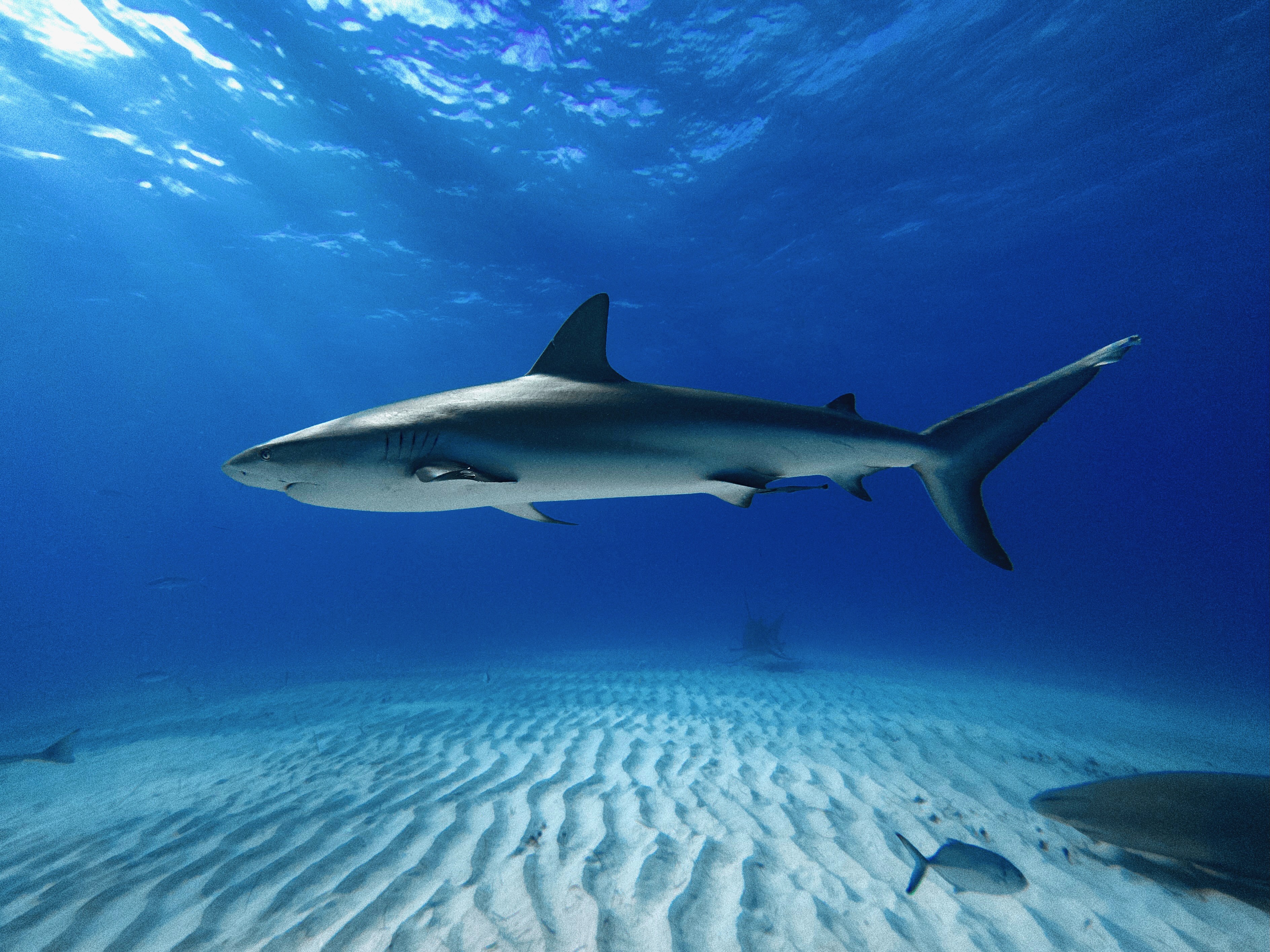
Shark skin → riblet film on aircraft

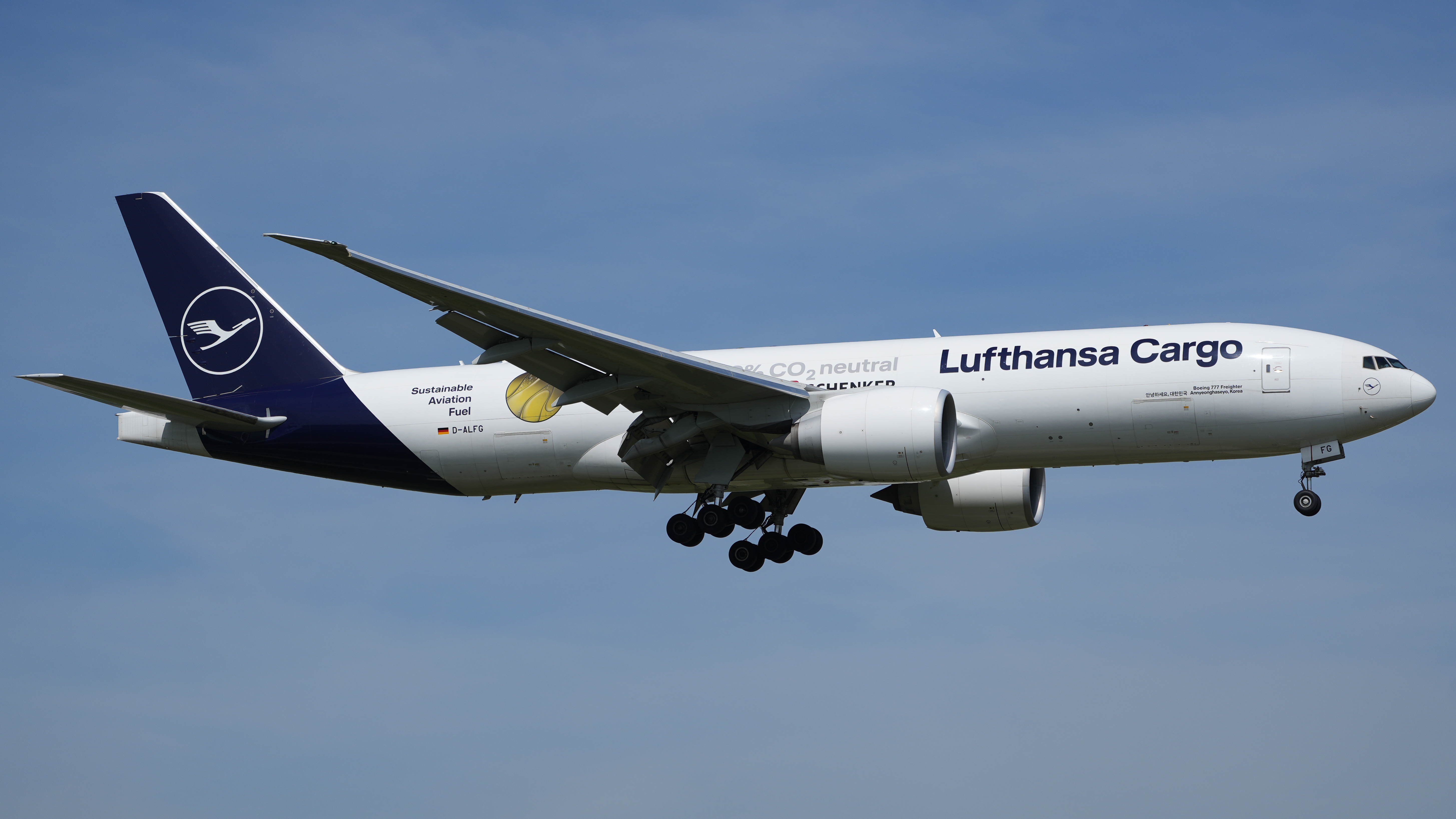
Ridged scales cut drag along the flow. AeroSHARK, a stick-on film with ridges 50 micrometres high, was certified for the Boeing 777 in December 2022 and saves about 1% of the fuel.

2 photographs

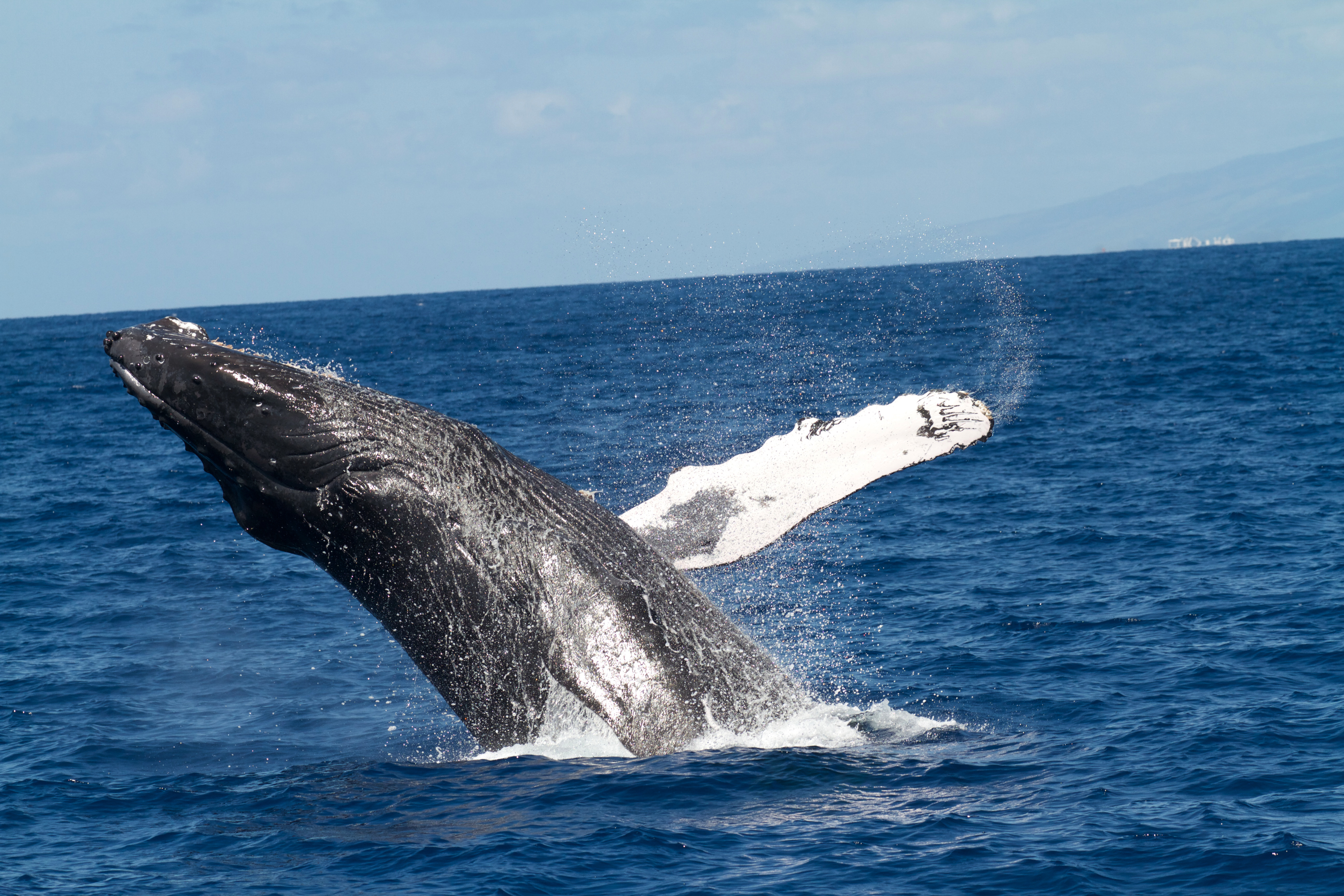
Humpback flipper → bumpy blades

Rounded bumps run along the leading edge. In a wind tunnel a bumpy flipper kept working at an angle about 40% steeper than a smooth one before it stalled.
2 photographs
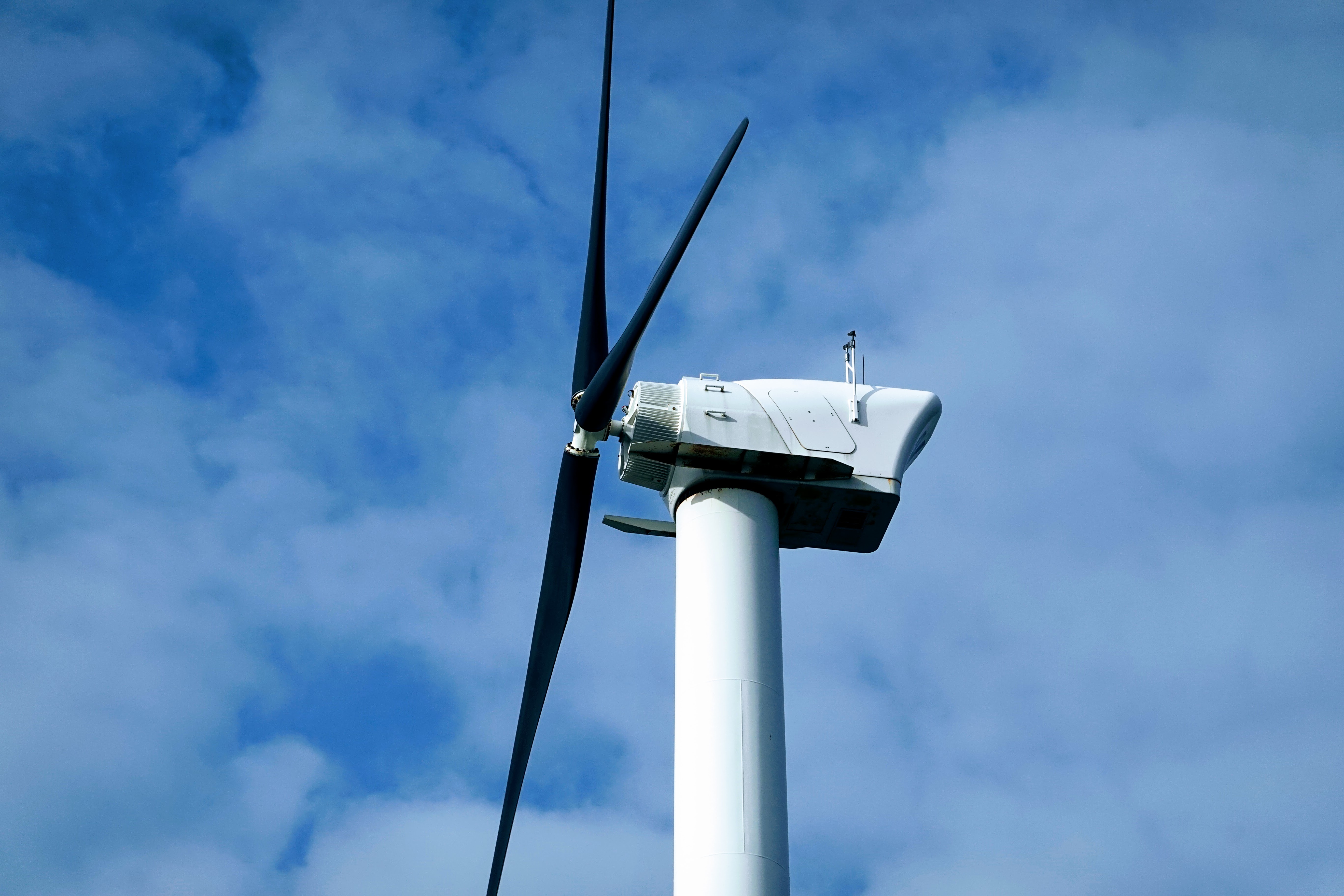
Two cautions on these photographs. The 777F is the right operator and the right type, so the caption reads "the type fitted with AeroSHARK", not "this aircraft has it". The turbine blades are ordinary blades: they show where the whale idea is applied, not a tubercled blade.

Moon Buggies

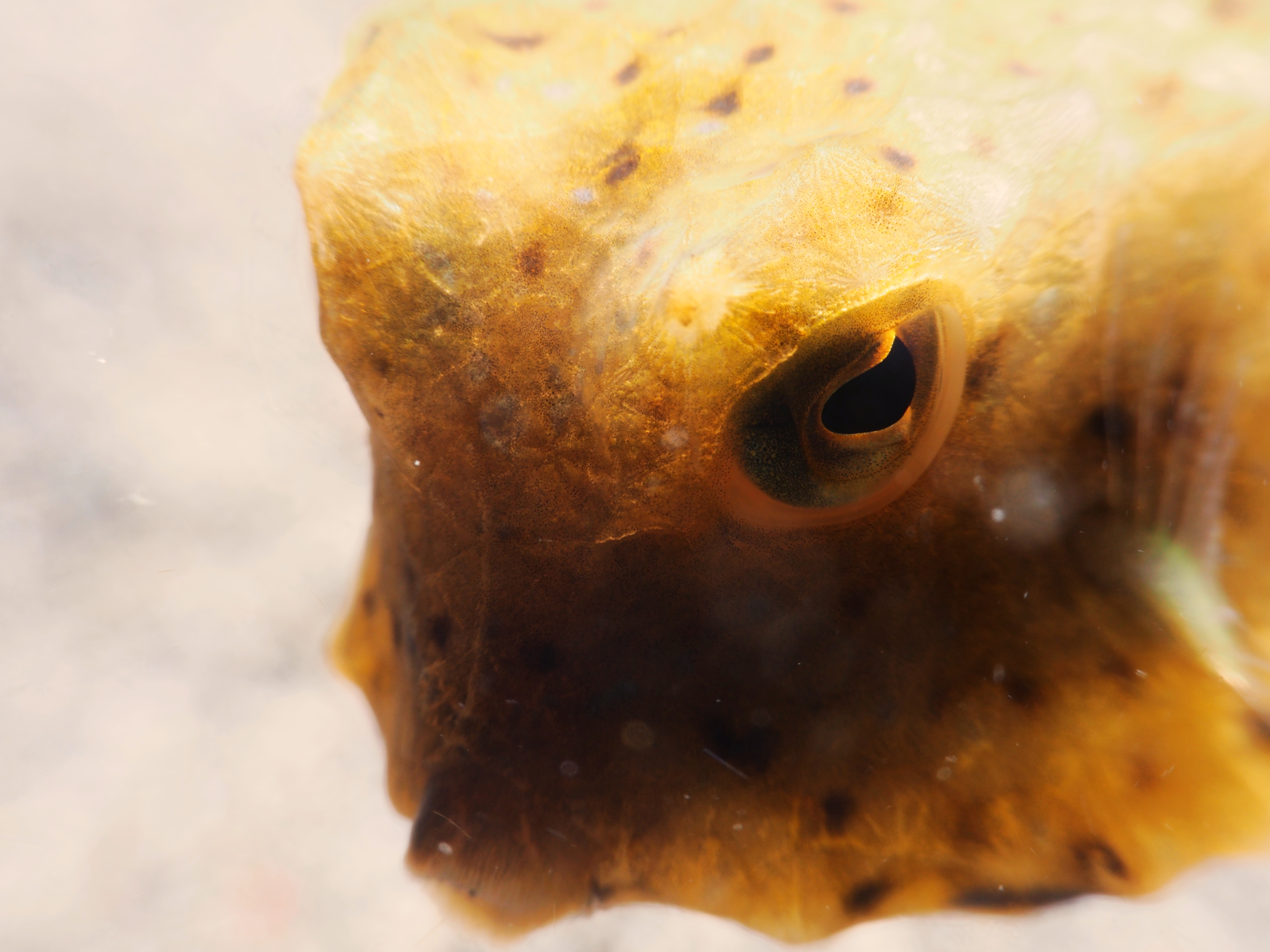
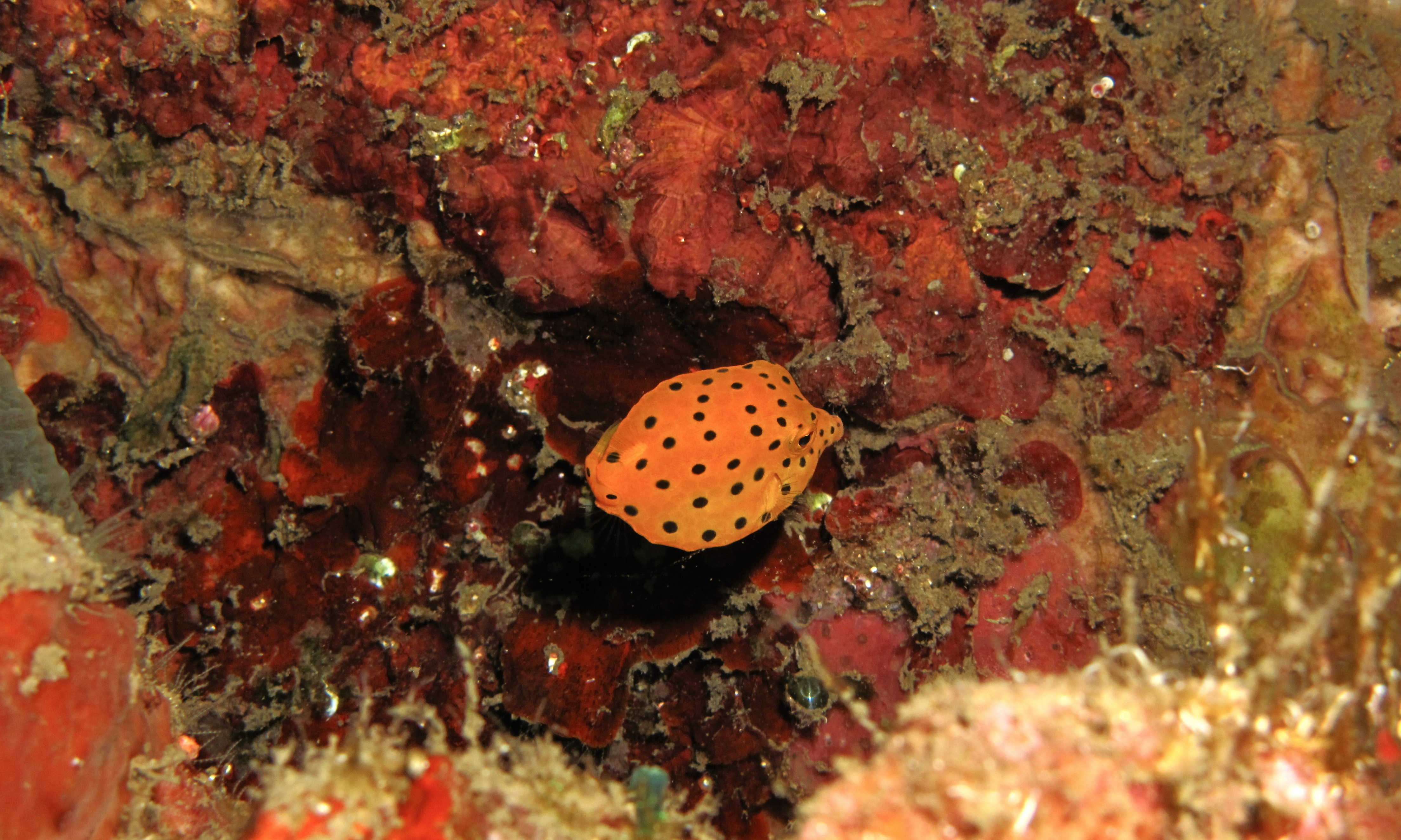
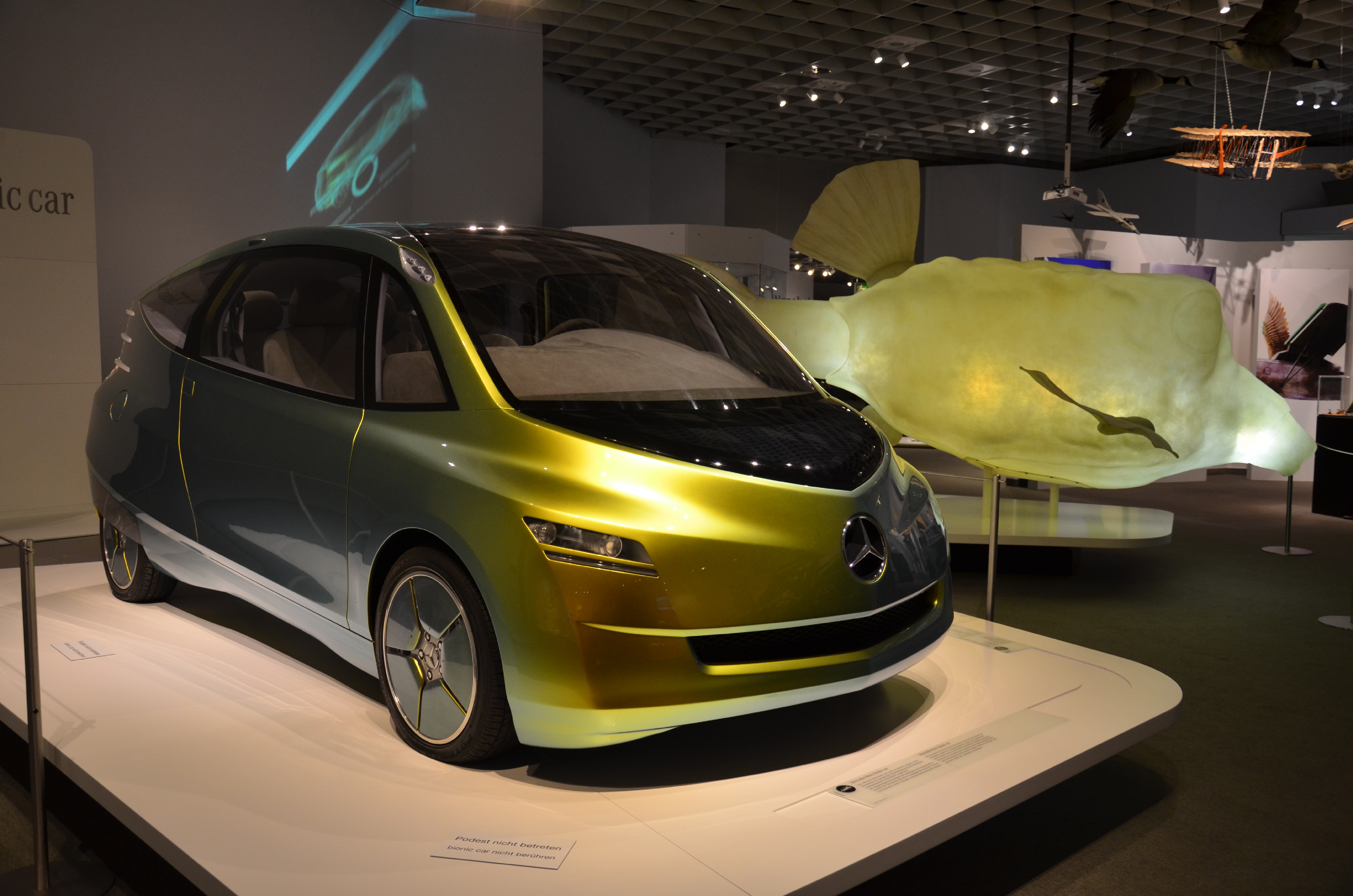
Boxfish → the Mercedes-Benz Bionic

Mercedes-Benz built the car in 2005 and credited the fish. Biologists measured real boxfish in 2015 and found the shape is not especially good at cutting drag, and it makes the fish wobble rather than run straight.

The best card on the table, because it shows engineers checking their own story.

Corrected · 3 photographs

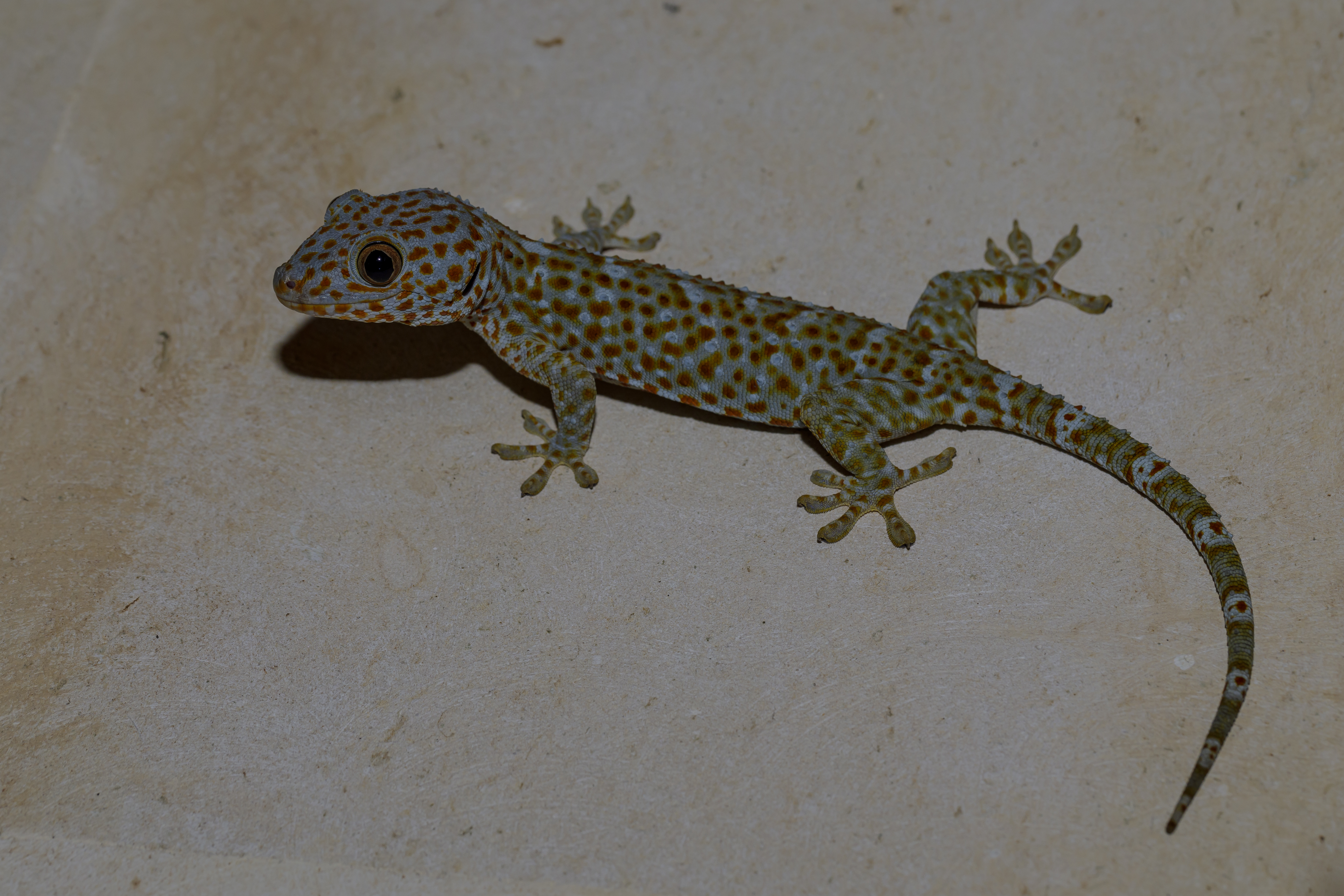
Gecko toes → grip with no glue

Millions of tiny hairs get close enough to a surface for the molecules to pull on each other. It lets go when the toe is peeled off in one direction. NASA JPL built grippers from synthetic hairs, and they have flown on robots aboard the Space Station.

2 photographs · a macro of the foot on glass, added 18 Aug

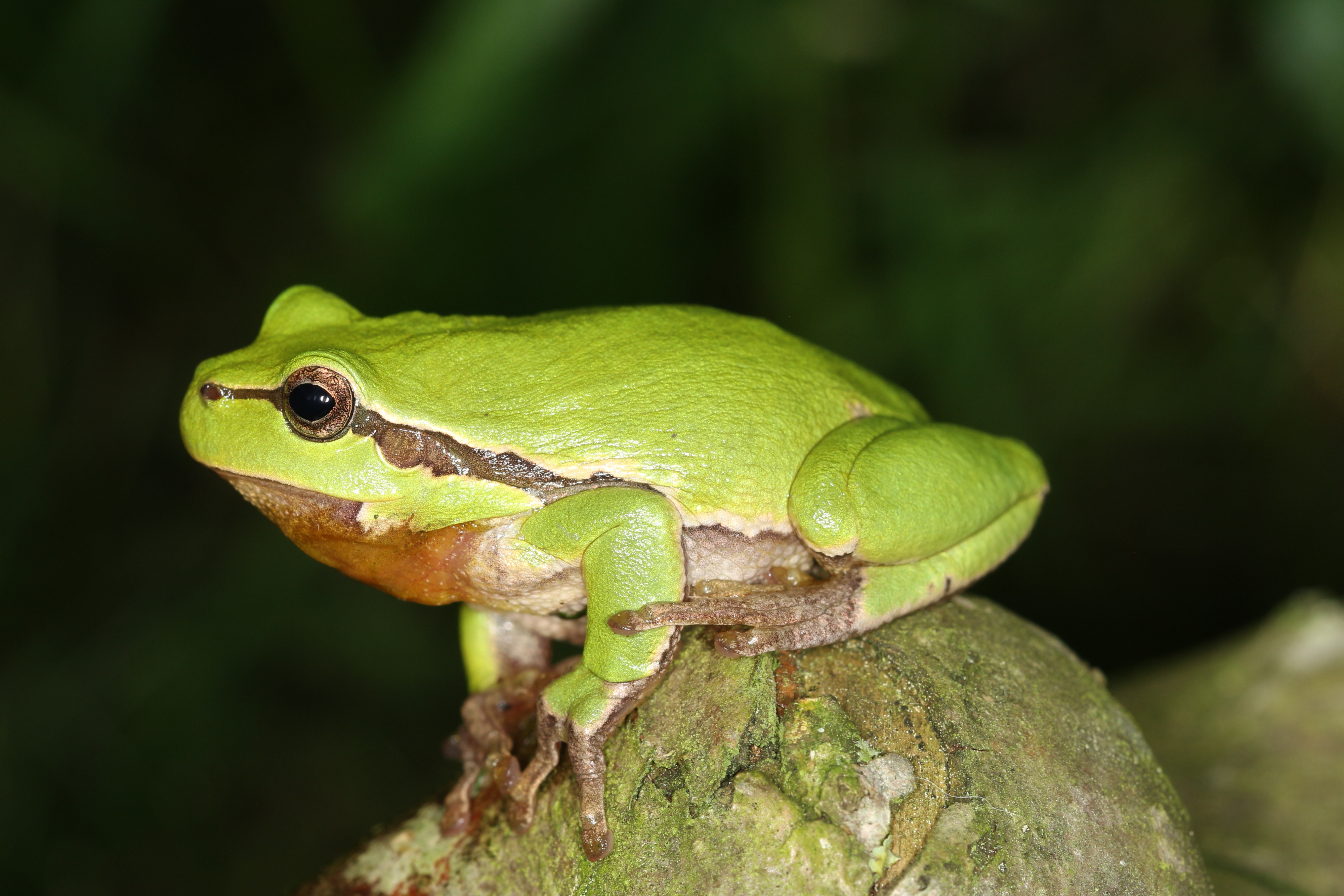
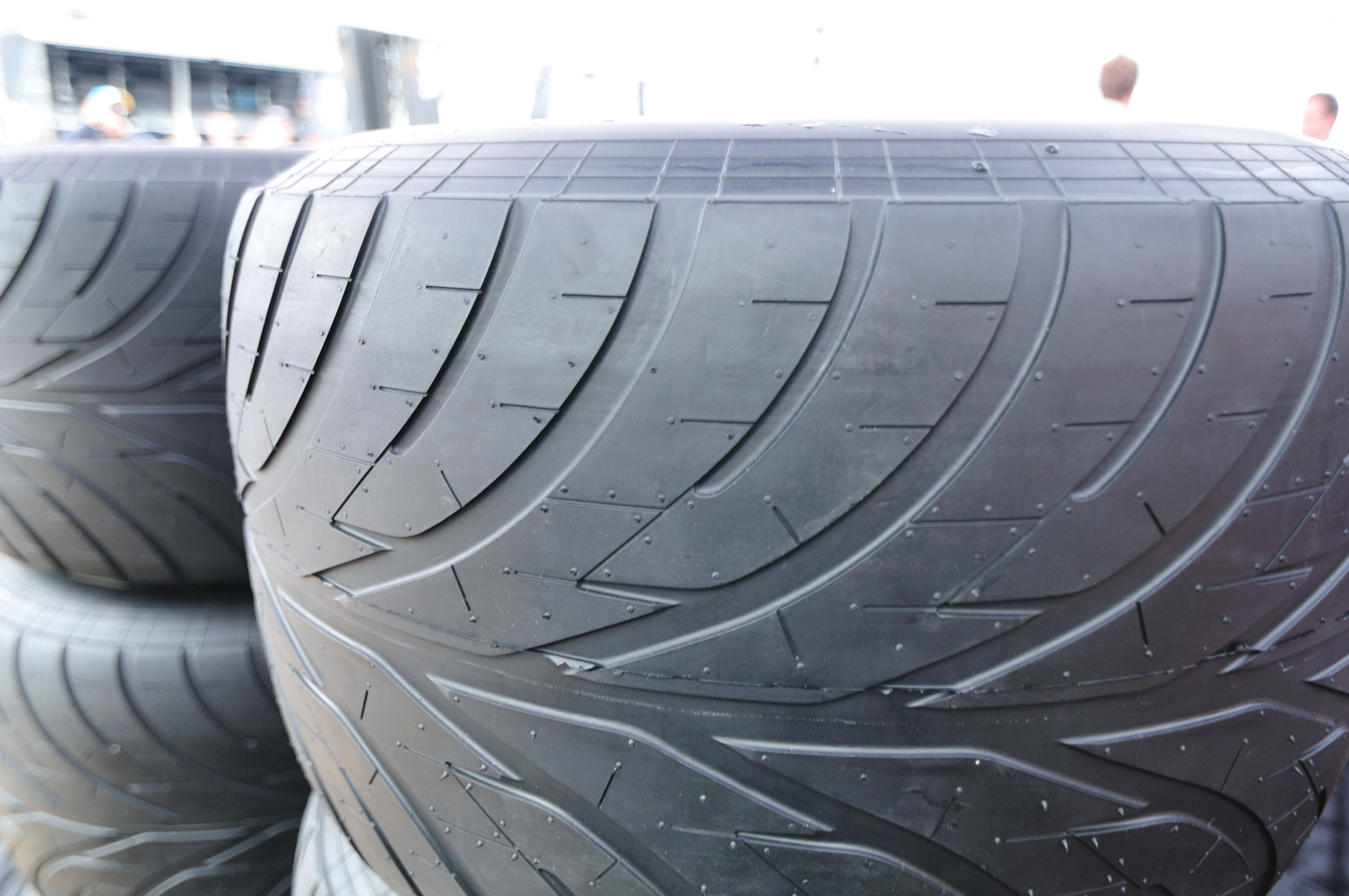
Tree frog toes → tread that clears water

The toe pad is tiled with hexagons and grooved between them. The grooves squeeze the water out so the flat tops can touch, which is what a wet-weather tyre tread does.

2 photographs

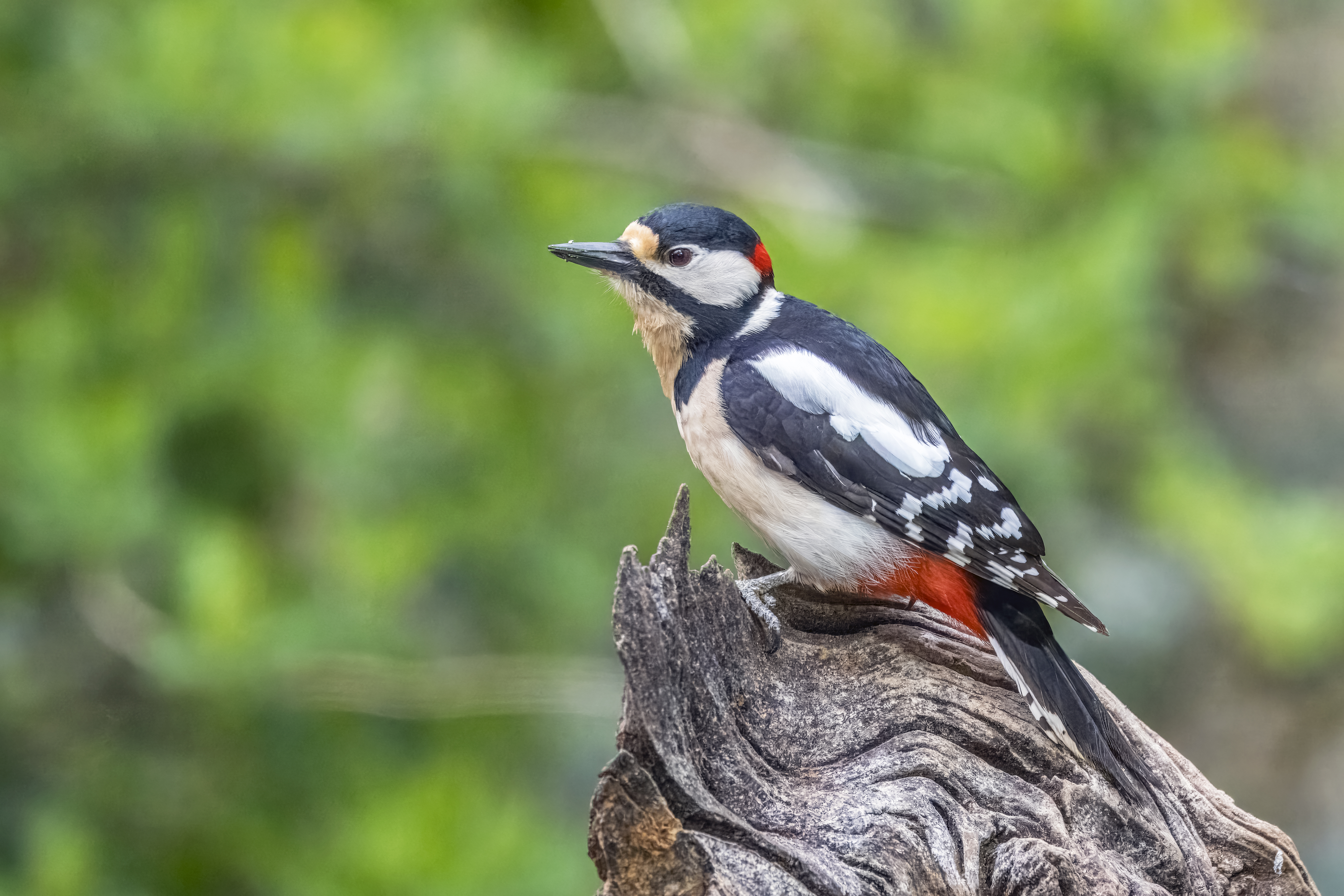
Woodpecker → shock absorption

Skulls were thought to be shock absorbers, and helmets were designed from the idea. High-speed film in 2022 showed the head does not absorb the blow at all: it works as a stiff hammer, and the brain is safe because it is small and light.

Corrected · 2 photographs · paired with a hammer, added 18 Aug

Nature's Engineers

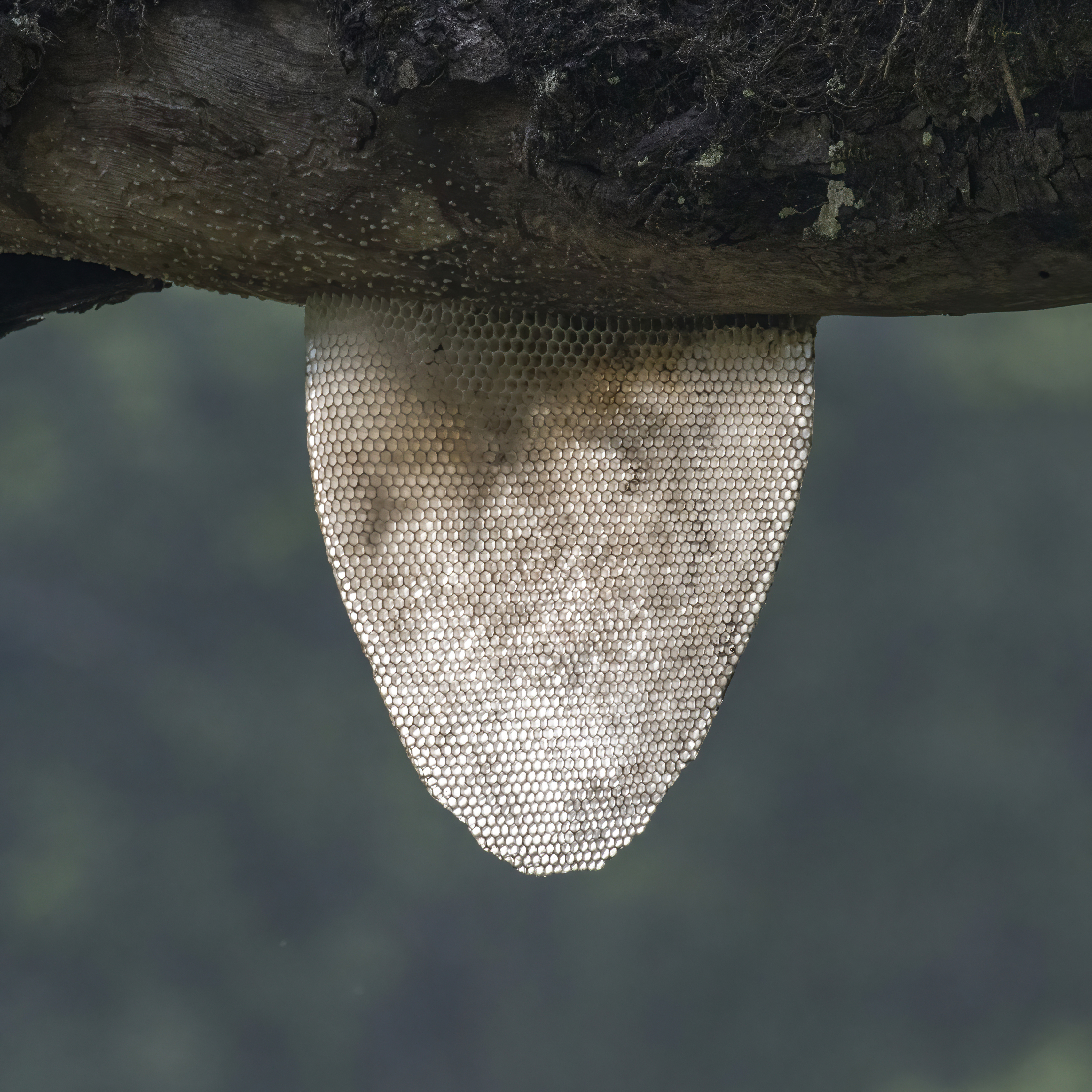
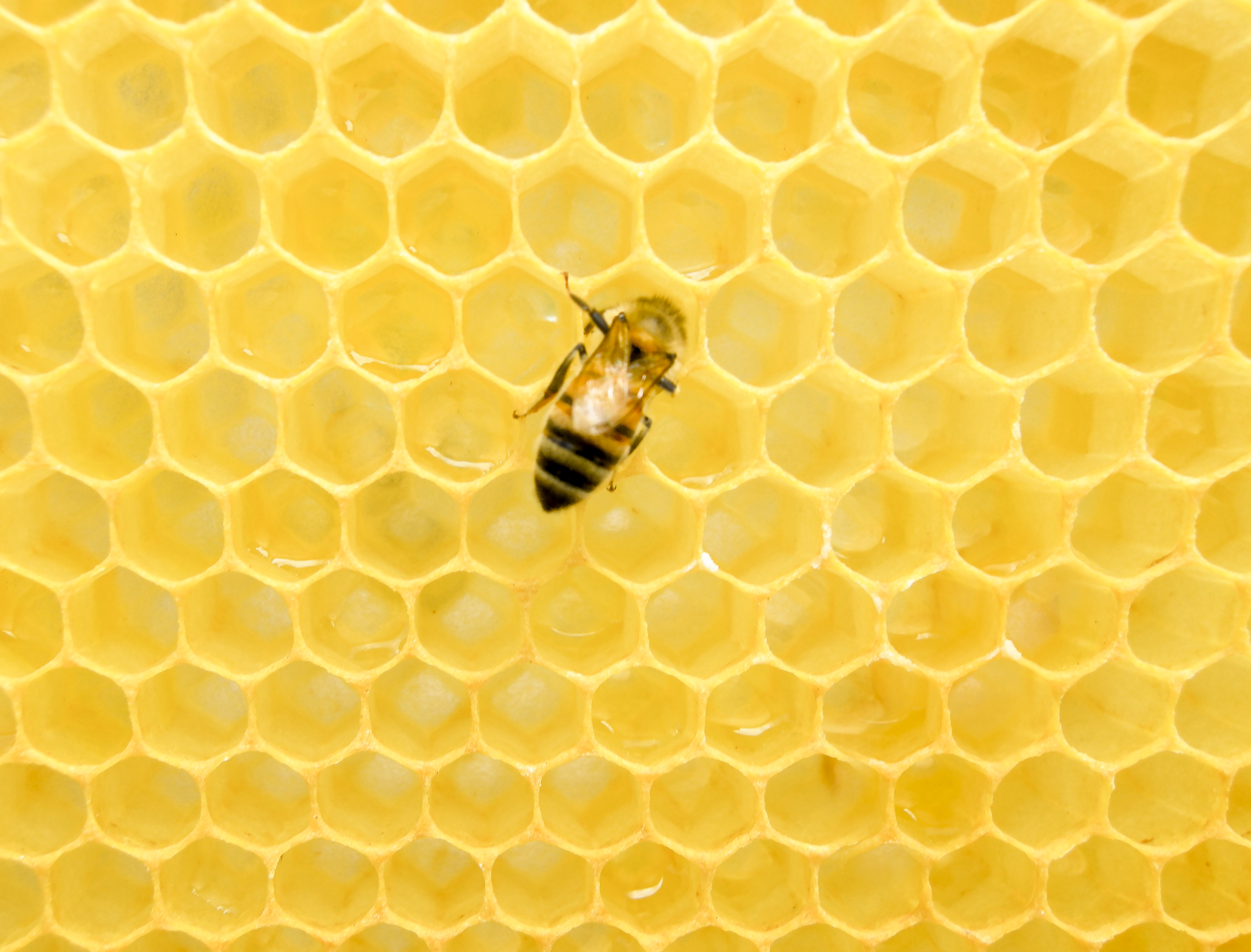
Honeycomb → hexagons that waste nothing

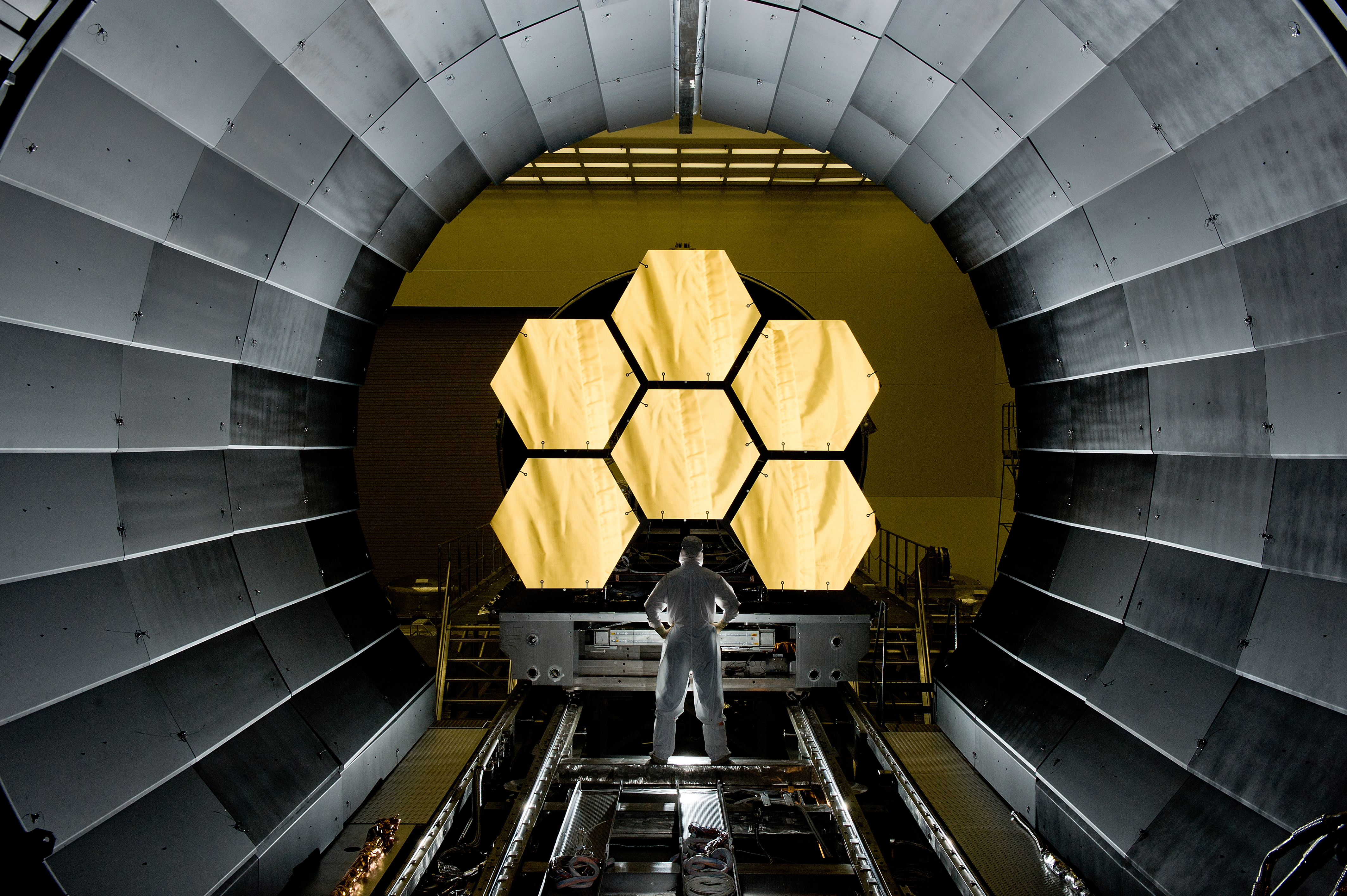
Proved in 1999: hexagons divide a flat surface into equal cells using less wall than any other shape, which for a bee means less wax. The Webb telescope's mirror is eighteen hexagons for the same reason, arrived at independently.

3 photographs · space theme

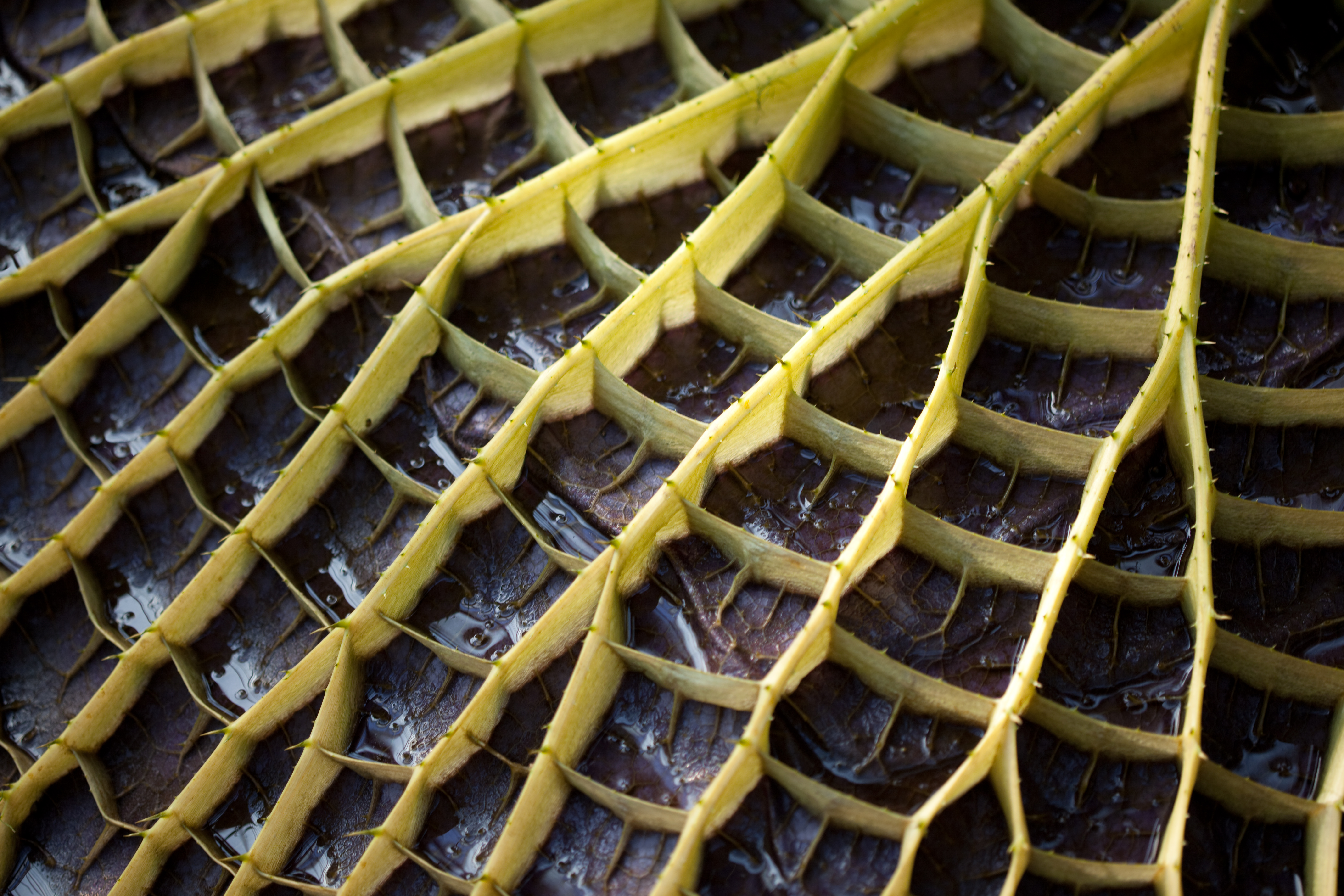
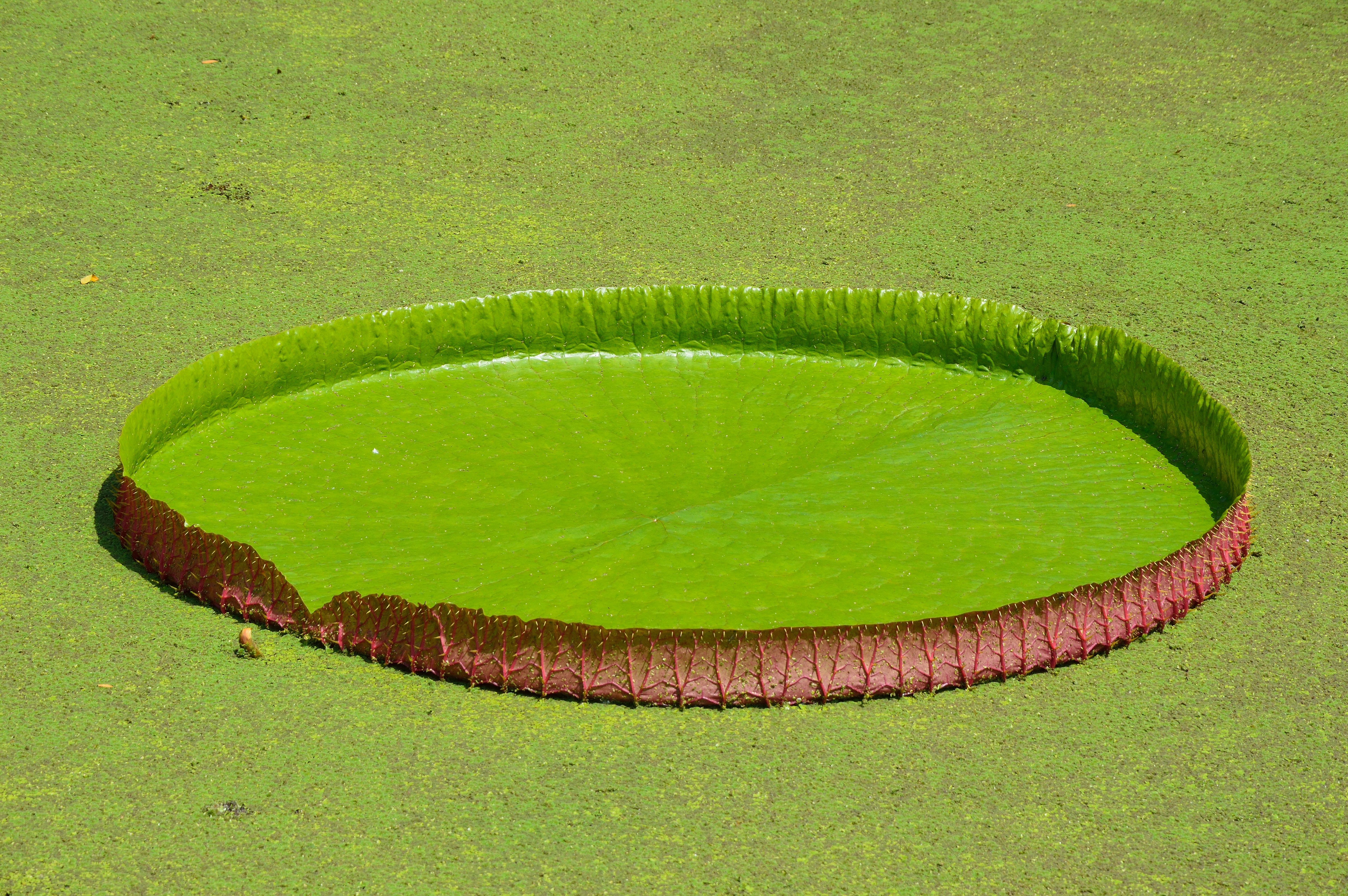
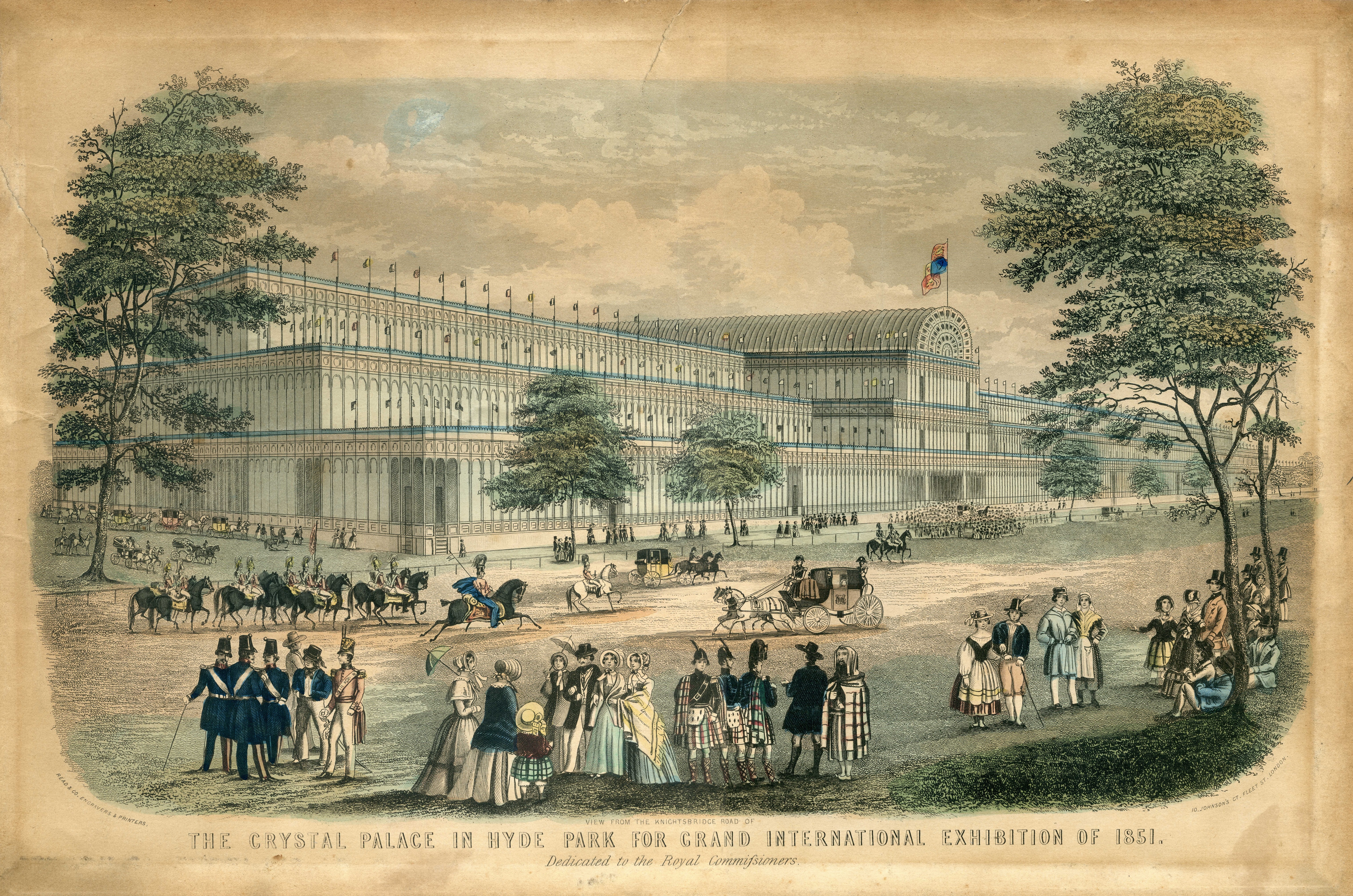
Giant water lily leaf → Paxton's glasshouse

The underside is a frame of thick radiating ribs with thin ones crossing between. Joseph Paxton wrote that he borrowed those girders, and the Crystal Palace of 1851 is built the same way.

3 photographs

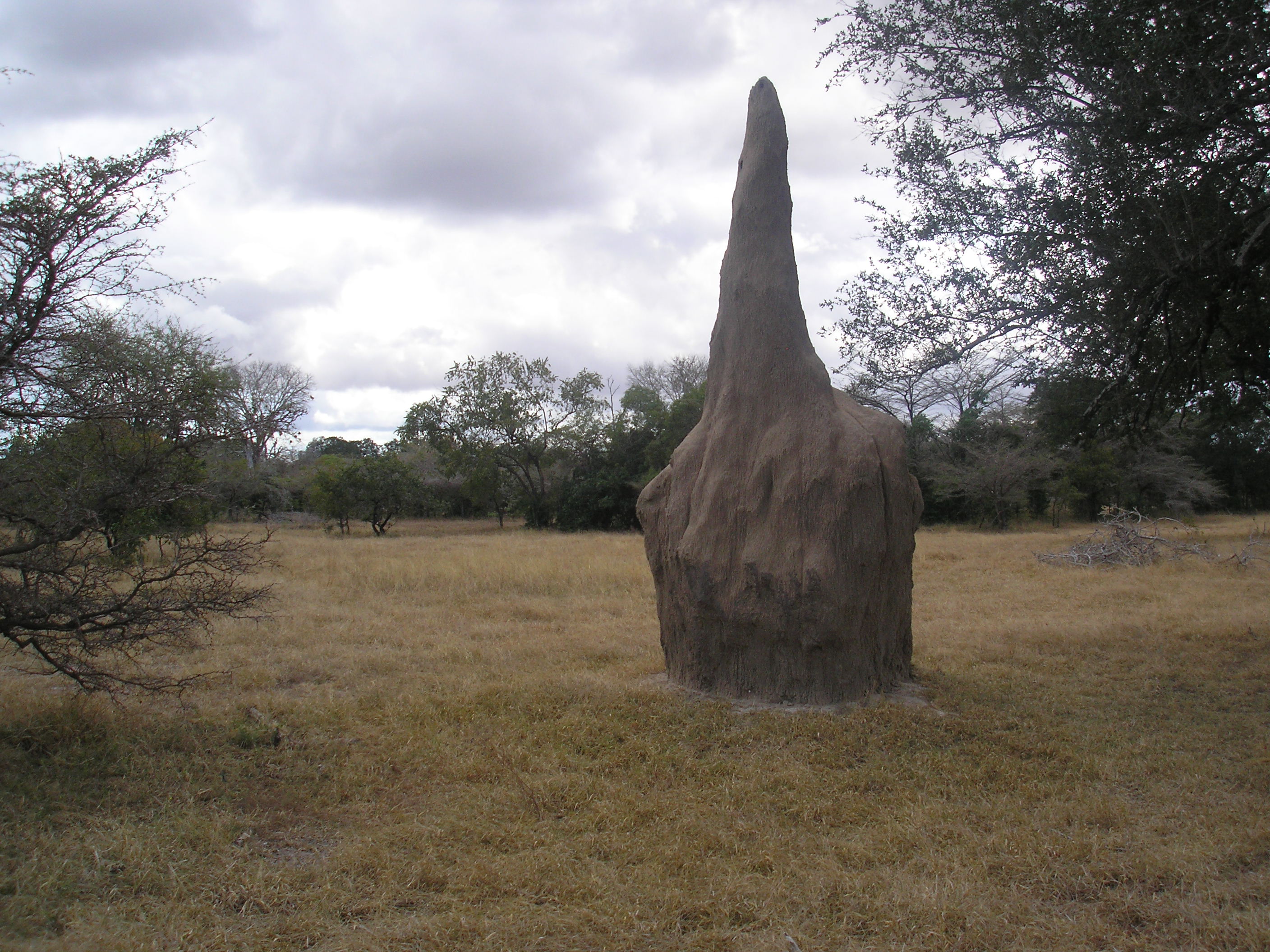
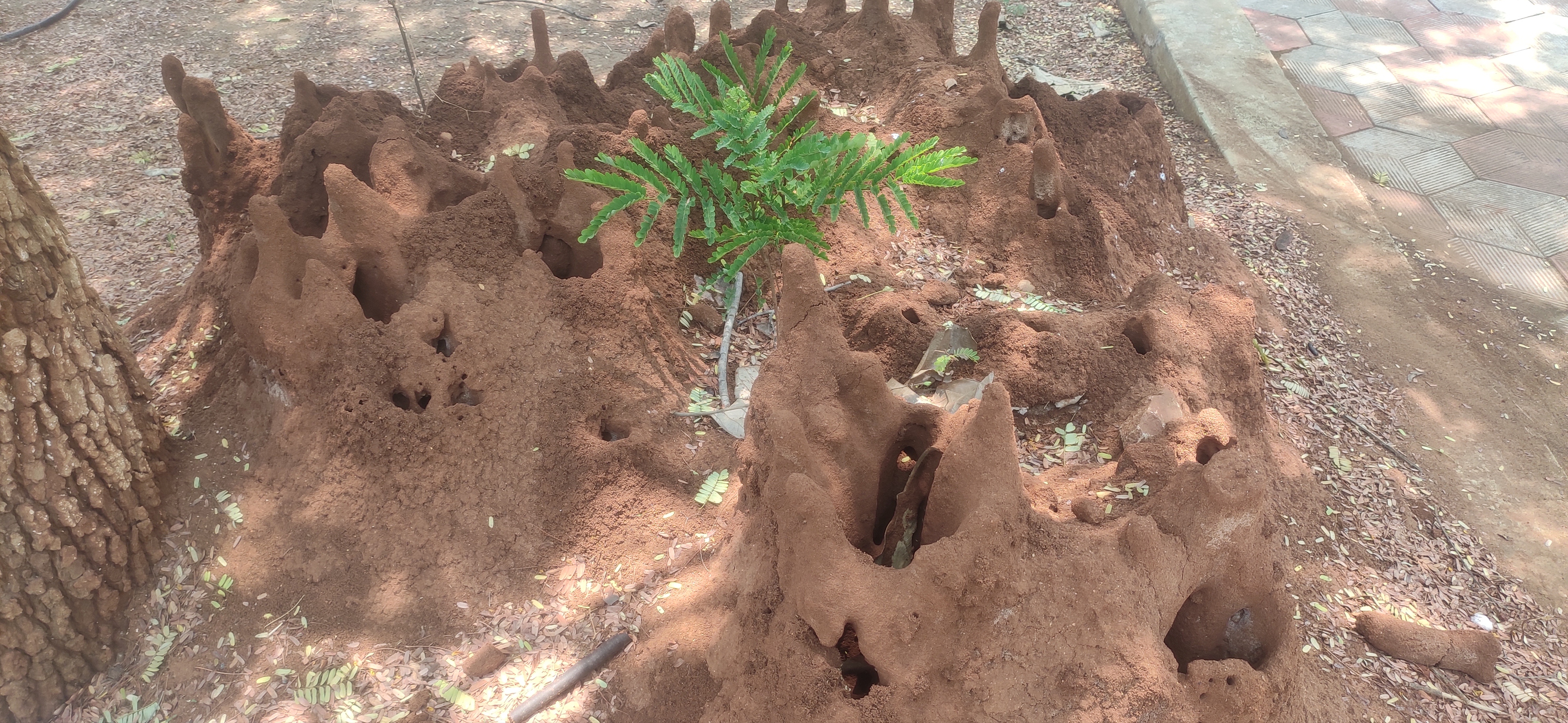
Termite mound → the Eastgate Centre

The Harare building uses under a tenth of the energy of a comparable one. The termite biology it was designed from has since been overturned: a mound is not a chimney with air rushing up it, it works more like a lung, breathing slowly in and out.

Corrected · 2 photographs · still no photograph of the building

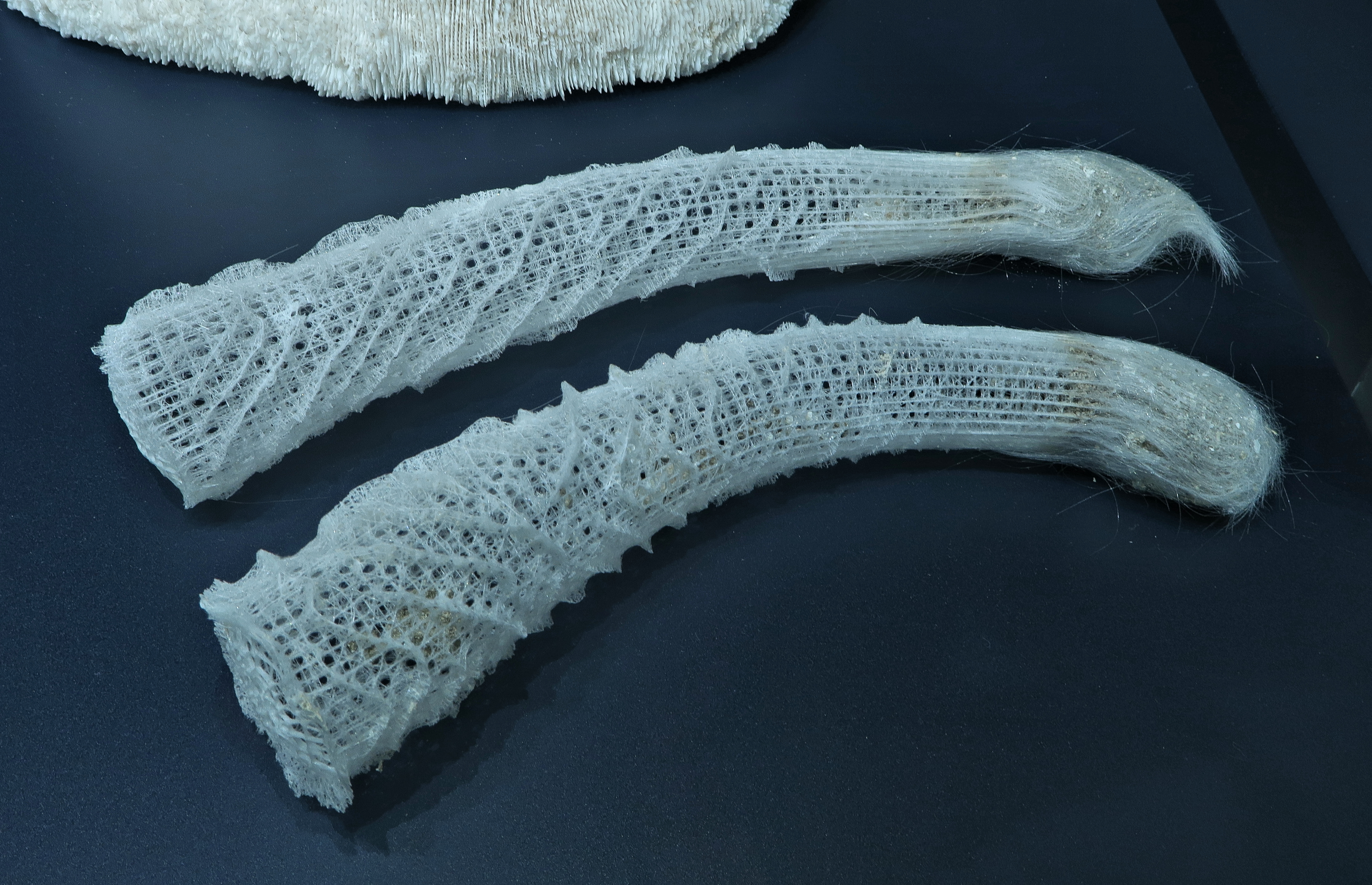
Glass sponge → a lattice that will not buckle

A deep-sea sponge builds a square grid of glass struts with diagonals across it. Copies 3D-printed and squashed held more than 20% more load than a plain grid using the same material.

Strength from shape, which is what the paper table is about.

2 photographs · paired with the King's Cross roof, added 18 Aug
Do not print the Gherkin against the sponge. 30 St Mary Axe is very widely cited as inspired by this sponge and there is no evidence for it. The comparison appears to have been made after the design existed.

Claims to correct

The popular versionWhat the evidence supportsSource
A kingfisher beak made the bullet train faster The problem was the bang a train makes leaving a tunnel, heard 400 metres away, not speed. The train is the 500 Series, in service 1997, not the flatter-nosed 700 Series that most "bullet train" photographs show. Speed and energy gains were a consequence, and the figures are the engineer's own. Tunnel entrance hoods attack the same problem separately. Nakatsu, in interview
The Mercedes Bionic proves the boxfish is low-drag and self-stabilising Measured boxfish shapes reduce drag less well than more ordinary fish shapes, and the keels destabilise the fish rather than correcting its course. That suits a fish turning on a reef. The car and its drag figure are real; the biology claimed for it was not. J. R. Soc. Interface, 2015
A woodpecker's skull is a shock absorber, and helmets copy it High-speed film of three species found no shock absorption. The head decelerates as a rigid unit and works as a stiff hammer, because absorbed energy would be energy taken out of the peck. The brain survives because it is small and light. Current Biology, 2022
Termite mounds are air conditioners, and the Eastgate Centre copies them The design followed a 1960s model of the mound as a chimney holding the nest at constant temperature. Mounds are not held at constant temperature and have no steady chimney flow; wind gusts and the day-to-night swing drive a slow tidal exchange. The building is genuinely low-energy, and it uses fans. Turner and Soar, 2008
Two of these are the point, not a problem. The boxfish and the woodpecker are stories where somebody built the thing, then checked the biology and found it wrong. That is a better thing to say at a science fair than fourteen tidy successes.

Credits, as they must be printed

Every photograph is public domain, CC0 or a Creative Commons licence that permits printing and public display. The attribution line must appear with the printed image or on a credits sheet displayed alongside. The machine-readable copy is images/credits.csv.

FileAttribution linePixels
kingfisher-01.jpgAlexis Lours, CC BY 4.0, via Wikimedia Commons5993 × 3995
kingfisher-02.jpgLaitche, CC BY-SA 4.0, via Wikimedia Commons6960 × 4640
shinkansen-500-nose-01.jpgSantetsu, CC BY 4.0, via Wikimedia Commons4896 × 2752
shinkansen-500-nose-02.jpgTakeshi Kuboki, CC BY 2.0, via Wikimedia Commons4256 × 2832
shinkansen-500-pantograph-01.jpgTakeshi Kuboki, CC BY 2.0, via Wikimedia Commons4256 × 2832
barn-owl-flight-01.jpgDannymoore1973, CC0, via Wikimedia Commons6629 × 3318
maple-samara-01.jpgUS Fish and Wildlife Service, public domain, via Wikimedia Commons4648 × 3264
maple-samara-02.jpgFcb981, CC BY 2.5, via Wikimedia Commons3008 × 2000
dandelion-seedhead-01.jpgDavid Perez, CC BY 3.0, via Wikimedia Commons3872 × 2592
parachute-01.jpgRstpch, CC BY-SA 4.0, via Wikimedia Commons2791 × 3249
reef-shark-01.jpgDennis Hipp, CC0, via Wikimedia Commons3775 × 2831
boeing-777f-aeroshark-01.jpgMarcelX42, CC BY-SA 4.0, via Wikimedia Commons5820 × 3275
humpback-breaching-01.jpgNOAA Office of National Marine Sanctuaries, public domain, via Wikimedia Commons5184 × 3456
wind-turbine-blades-01.jpgCaptJayRuffins, CC BY-SA 4.0, via Wikimedia Commons5472 × 3648
boxfish-01.jpgRickard Zerpe, CC BY-SA 2.0, via Wikimedia Commons4608 × 3456
boxfish-02.jpgBernard Dupont, CC BY-SA 2.0, via Wikimedia Commons4416 × 2649
mercedes-bionic-car-01.jpgNatiSythen, CC BY-SA 3.0, via Wikimedia Commons3200 × 2119
tokay-gecko-01.jpgThomas Fuhrmann, CC BY-SA 4.0, via Wikimedia Commons6235 × 4157
gecko-toe-pads-01.jpgPanWoyteczek, CC BY 4.0, via Wikimedia Commons3828 × 2552
tree-frog-01.jpgHolger Krisp, CC BY 4.0, via Wikimedia Commons4000 × 2667
tyre-tread-wet-f1-01.jpgGregory Moine, CC BY 2.0, via Wikimedia Commons4288 × 2848
woodpecker-01.jpgCharles J. Sharp, CC BY-SA 4.0, via Wikimedia Commons6328 × 4218
claw-hammer-01.jpgSanteri Viinamaki, CC BY-SA 4.0, via Wikimedia Commons4640 × 3480
honeycomb-01.jpgCharles J. Sharp, CC BY-SA 4.0, via Wikimedia Commons3415 × 3415
honeycomb-02.jpgMatthew T Rader, CC BY-SA 4.0, via Wikimedia Commons6500 × 4948
jwst-primary-mirror-01.jpgNASA/MSFC/David Higginbotham, public domain, via Wikimedia Commons4256 × 2832
giant-waterlily-leaf-underside-01.jpgLaitr Keiows, CC BY-SA 3.0, via Wikimedia Commons5616 × 3744
giant-waterlily-leaf-02.jpgBiswarup Ganguly, CC BY 3.0, via Wikimedia Commons6016 × 4000
crystal-palace-1851-01.jpgRead & Co. Engravers & Printers, public domain, via Wikimedia Commons6113 × 4049
termite-mound-01.jpgAwinch1001, CC0, via Wikimedia Commons2816 × 2112
termite-mound-02.jpgVenkatraman T, CC BY-SA 4.0, via Wikimedia Commons4000 × 1844
glass-sponge-01.jpgRa'ike, CC BY-SA 3.0 DE, via Wikimedia Commons4355 × 2810
kings-cross-roof-01.jpgClem Onojeghuo, CC0, via Wikimedia Commons5400 × 3406

Nine further candidates were downloaded and discarded: a diagram rather than a photograph, an aircraft under a fabric cover, a whale filling 3% of the frame, tyres in a shop, three museum specimens with labels and colour charts in shot, a watermarked file and an underexposed frog. None was discarded on licence.

Questions for you

How many examples go on each table?

Fourteen is what the research supports, but a table with three activities running on it has limited surface and a facilitator has limited time to learn the lines.

Do the corrected claims get printed?

The boxfish and the woodpecker are stories where the biology turned out to be wrong. They are the most interesting cards and the hardest to say in one sentence.

Where does the attribution go?

Every licence requires it. It can sit on each printed image or on one sheet for the stall, and that changes the layout of every print.

The Eastgate Centre has no licensed photograph. Is it worth buying one?

Wikimedia Commons has nothing usable of the building. Without it the termite card is a mound with no building beside it.

More feedback